Yellowstone & Grand Teton
Ten days, two national parks, and the family who drove, hiked, rafted, and stood very still for a lot of geysers to get the pictures ahead.
The Long Way West
It starts before sunrise, the way these trips always do — a 4:45 AM pickup, a short sprint through PHX with no time to spare, and a slow unclenching of shoulders somewhere over Montana.
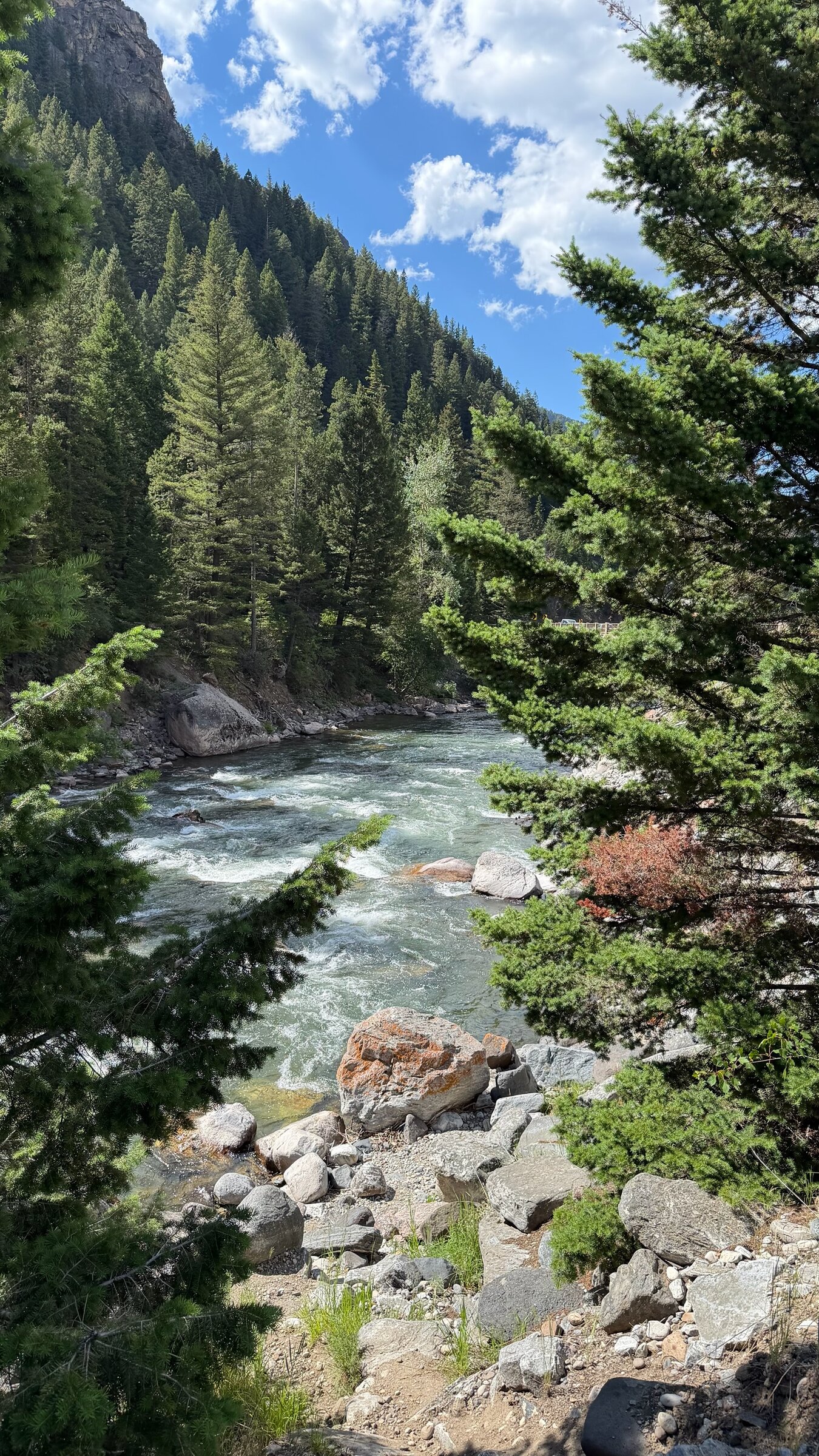
By early afternoon we were driving a rented SUV south out of Bozeman, the interstate giving way to the Gallatin Canyon: a two-lane road pinched between pine ridgelines and a river the color of glacier melt. Nobody said much. Everyone was looking out the window.
Phase One — Yellowstone
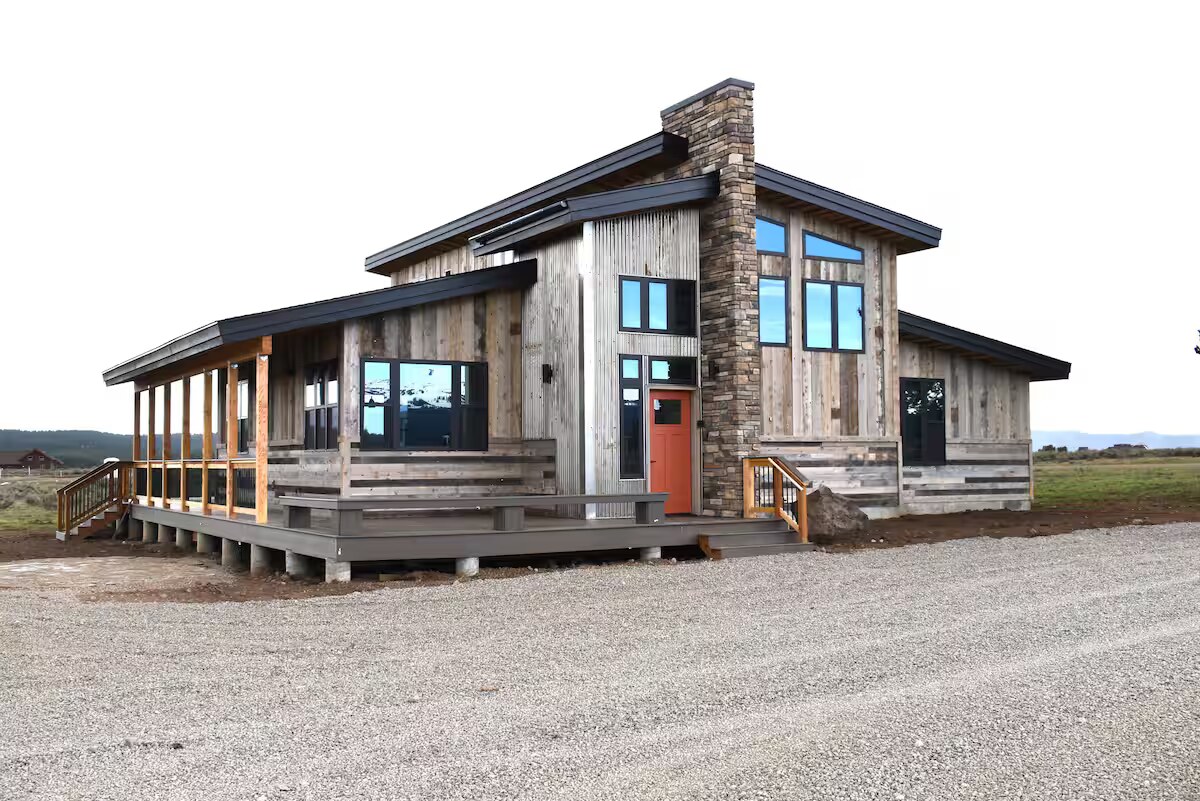
Five nights based in Island Park, Idaho, at the edge of the world's first national park — geyser basins, canyons, and valleys thick with wildlife.
Iconic Geyser Basins
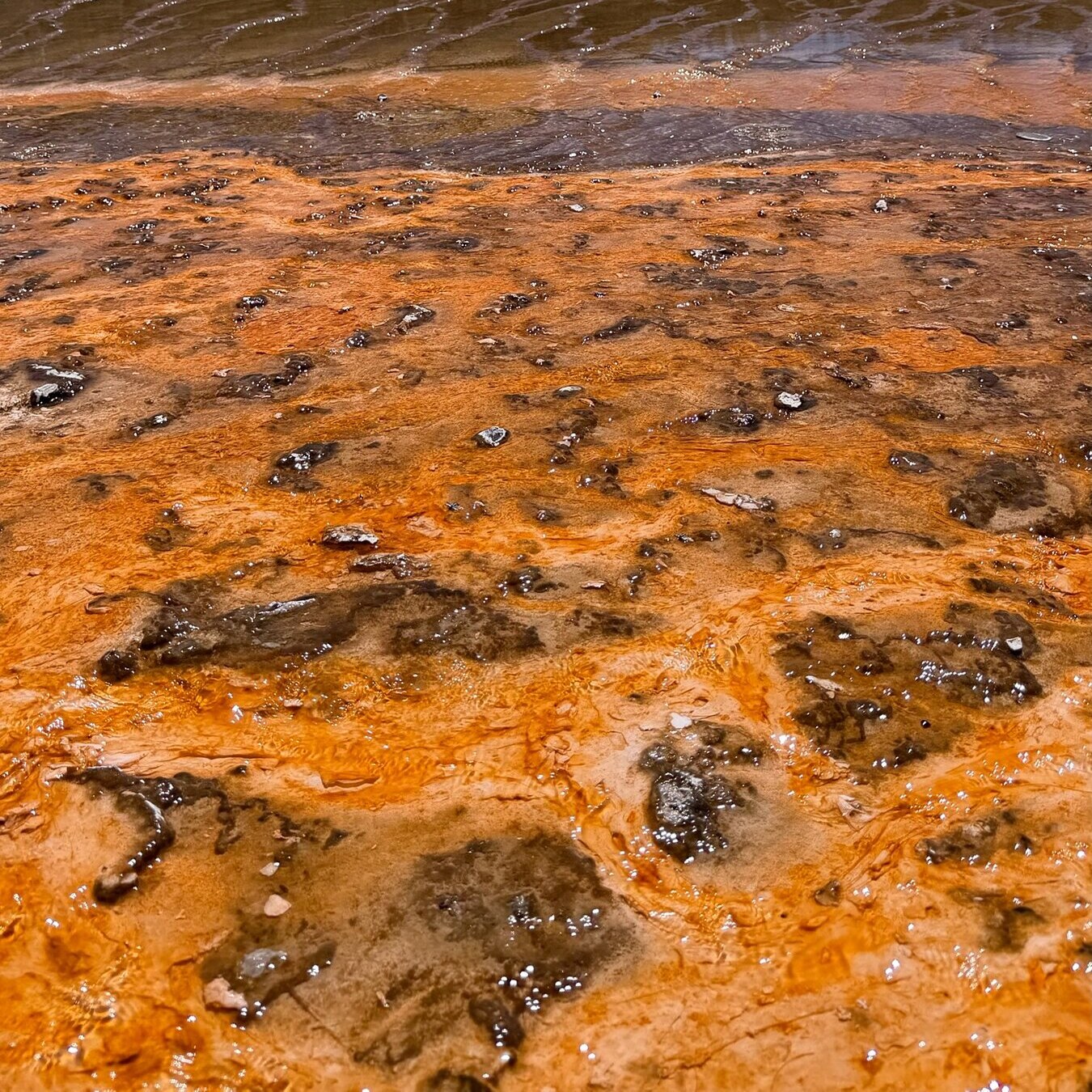
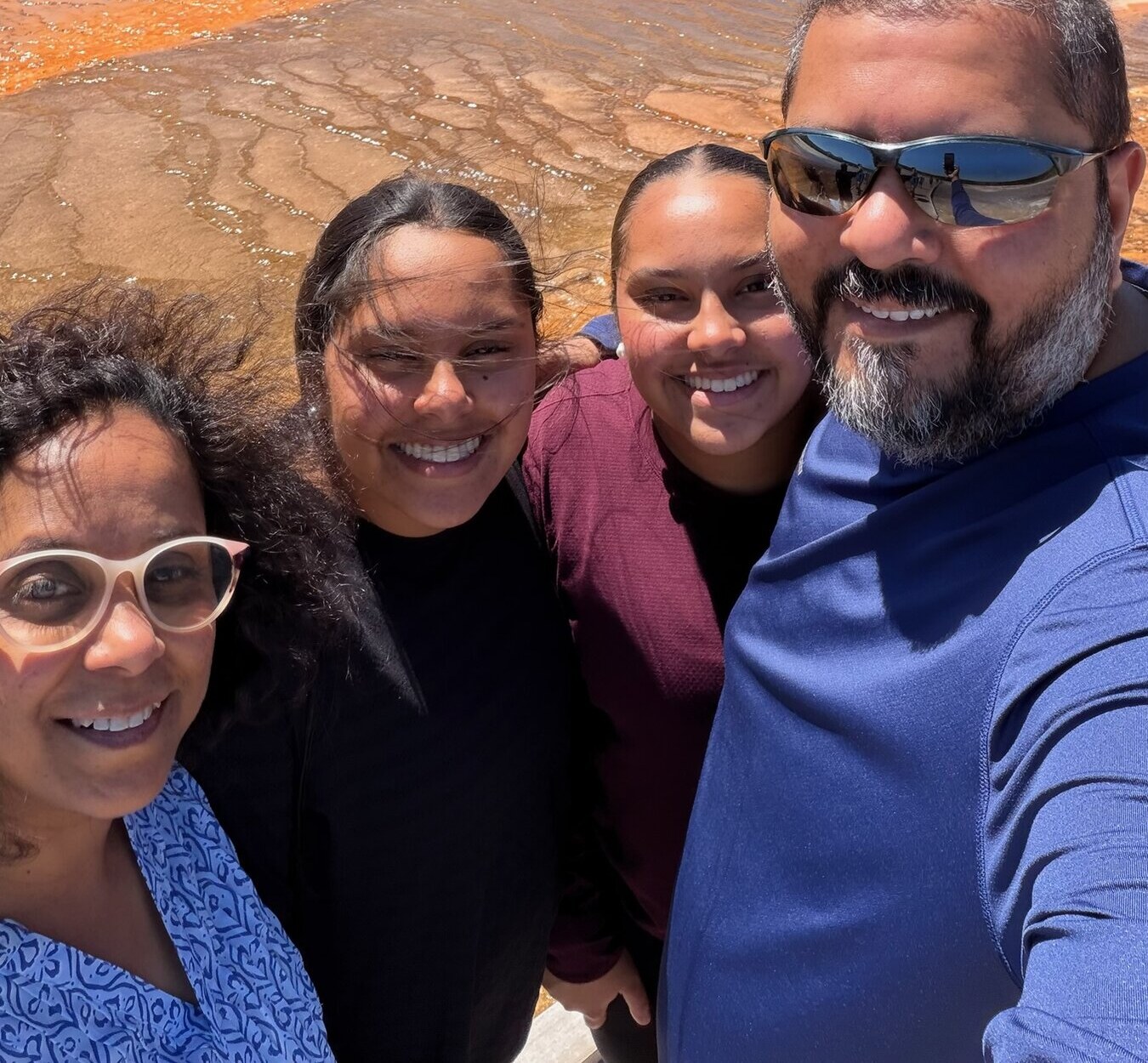
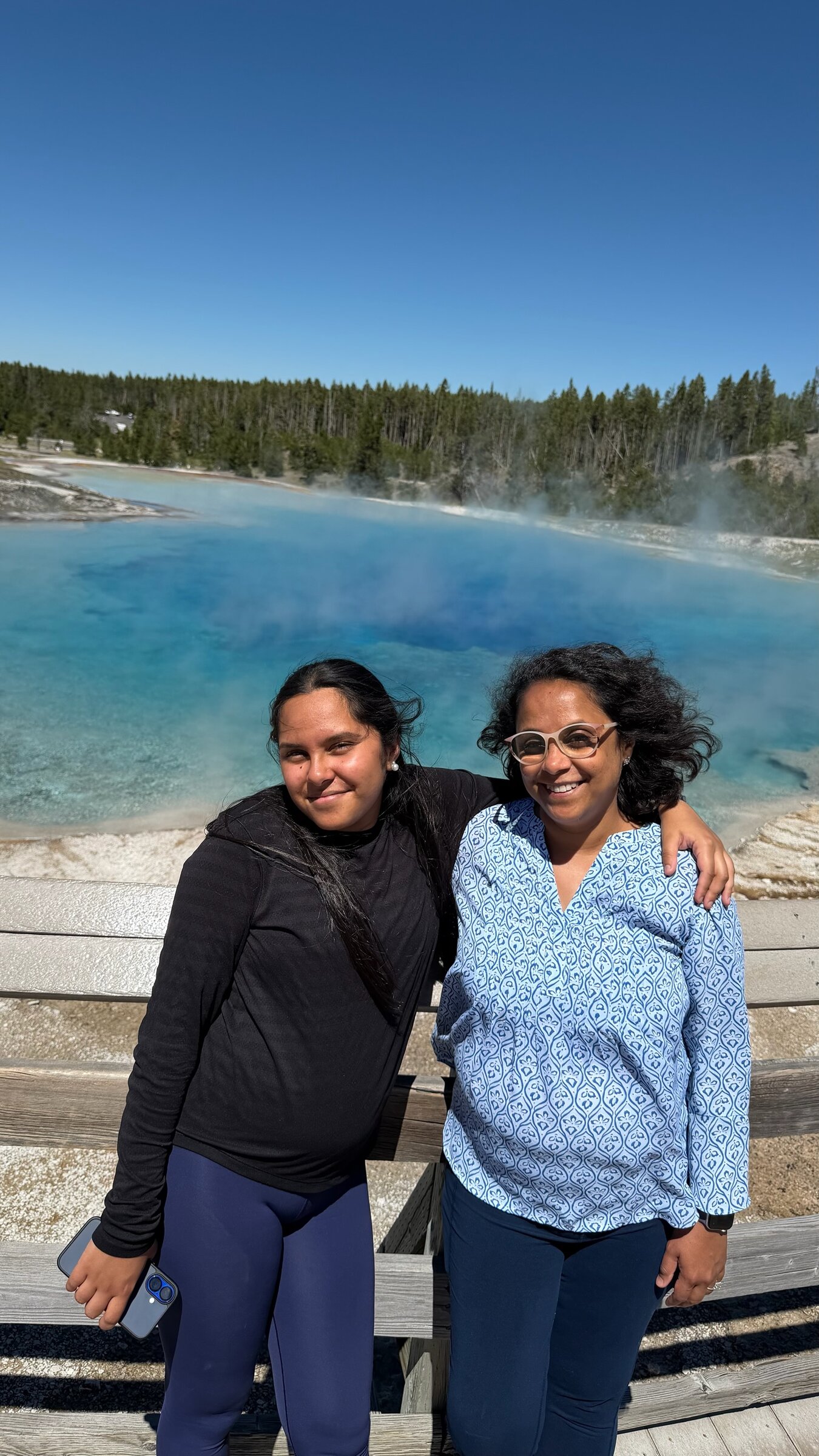
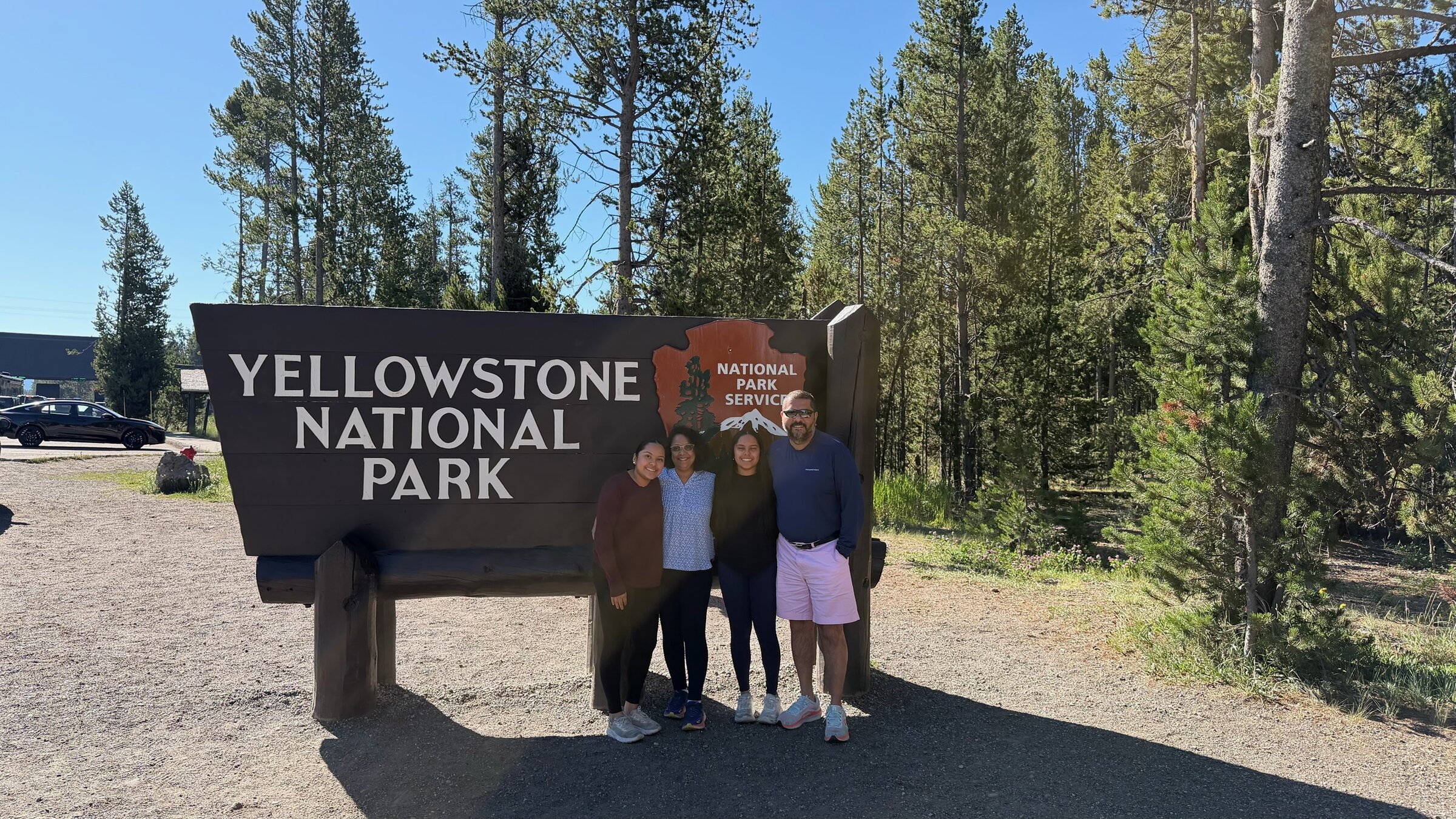
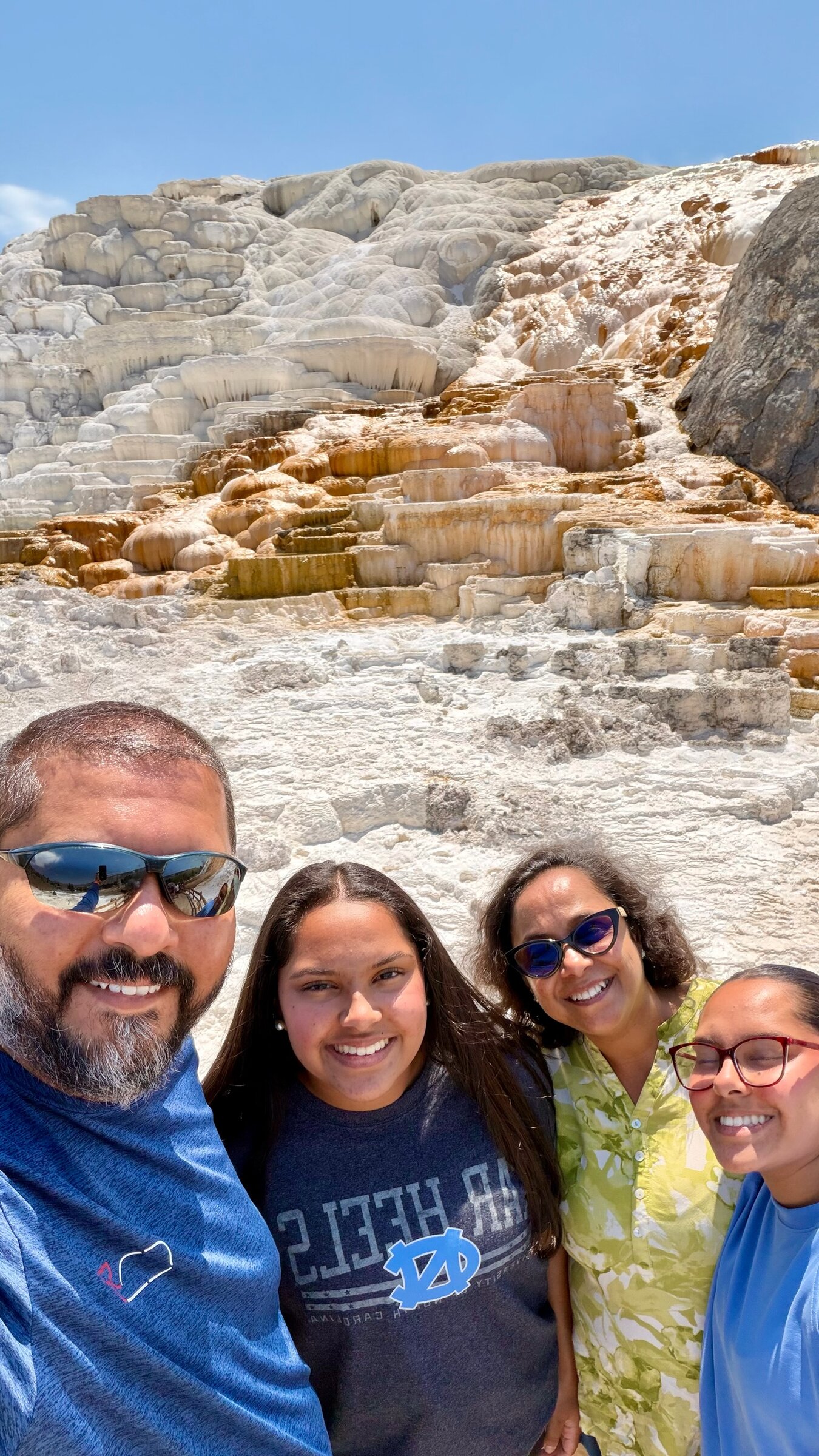
We beat the parking logjam to Grand Prismatic by minutes, not miles — and it was worth every minute of the 6 AM pancake breakfast that made it possible. Nothing prepares you for the color. Photographs still don't quite get it right.
Then south to Old Faithful, where a few hundred strangers sat shoulder to shoulder on wooden benches, watching the same patch of dirt, waiting for the same thing. When it finally let go, the whole crowd exhaled at once.
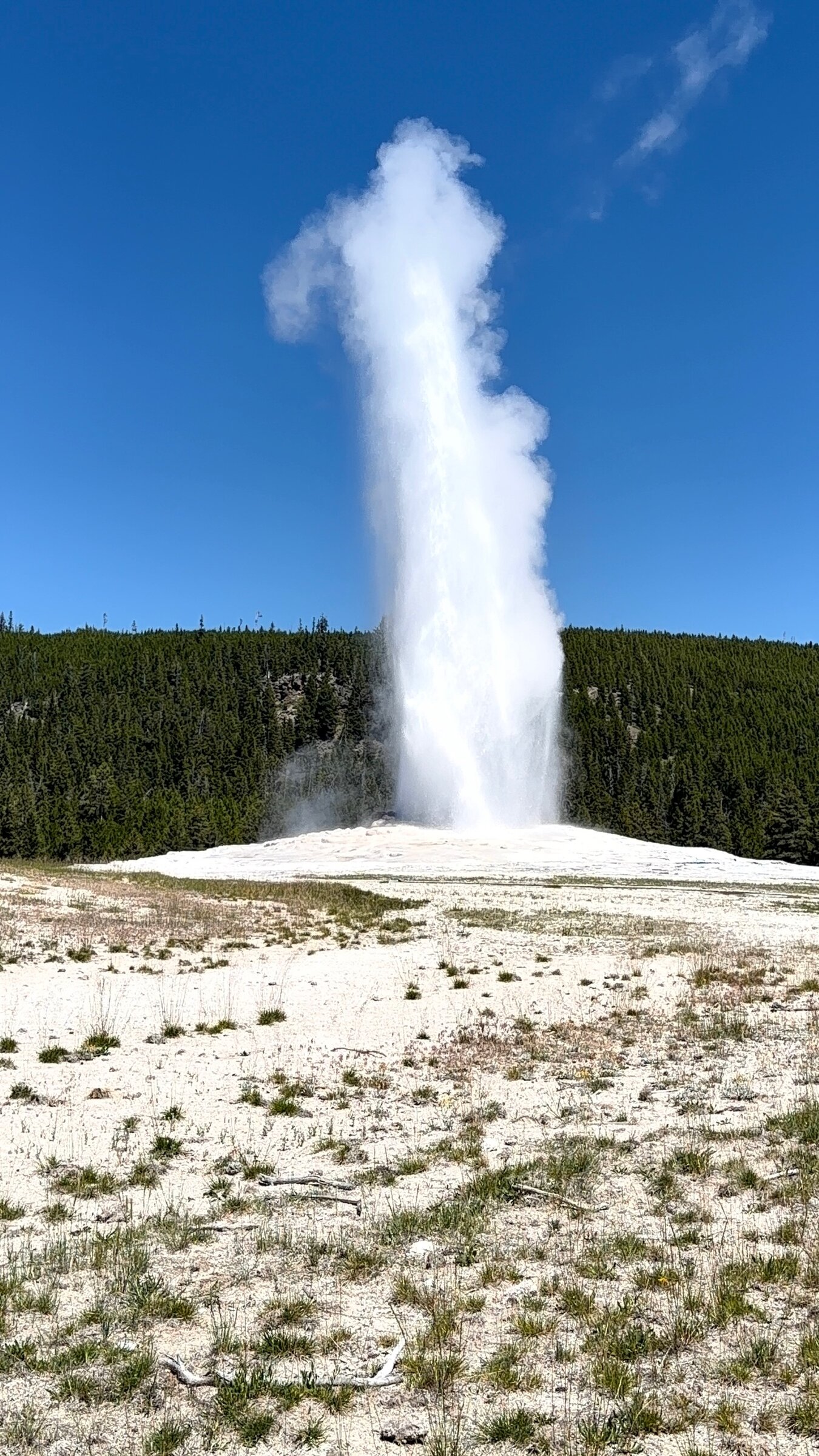
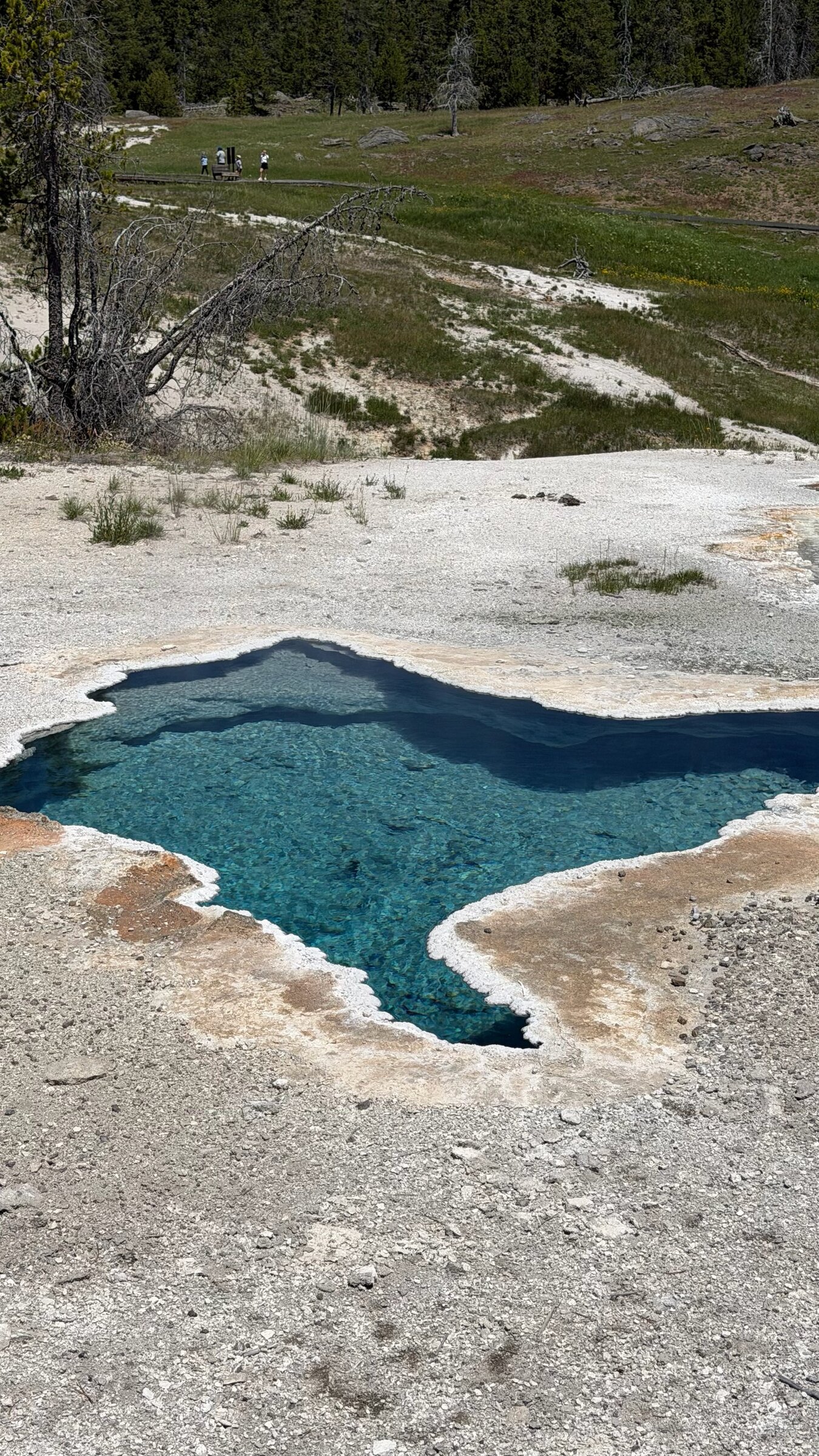
Nothing prepares you for the color. Photographs still don't quite get it right — the blue goes electric, the orange looks painted on, and the whole basin steams like it's breathing.
Grand Canyon & Hayden Wildlife
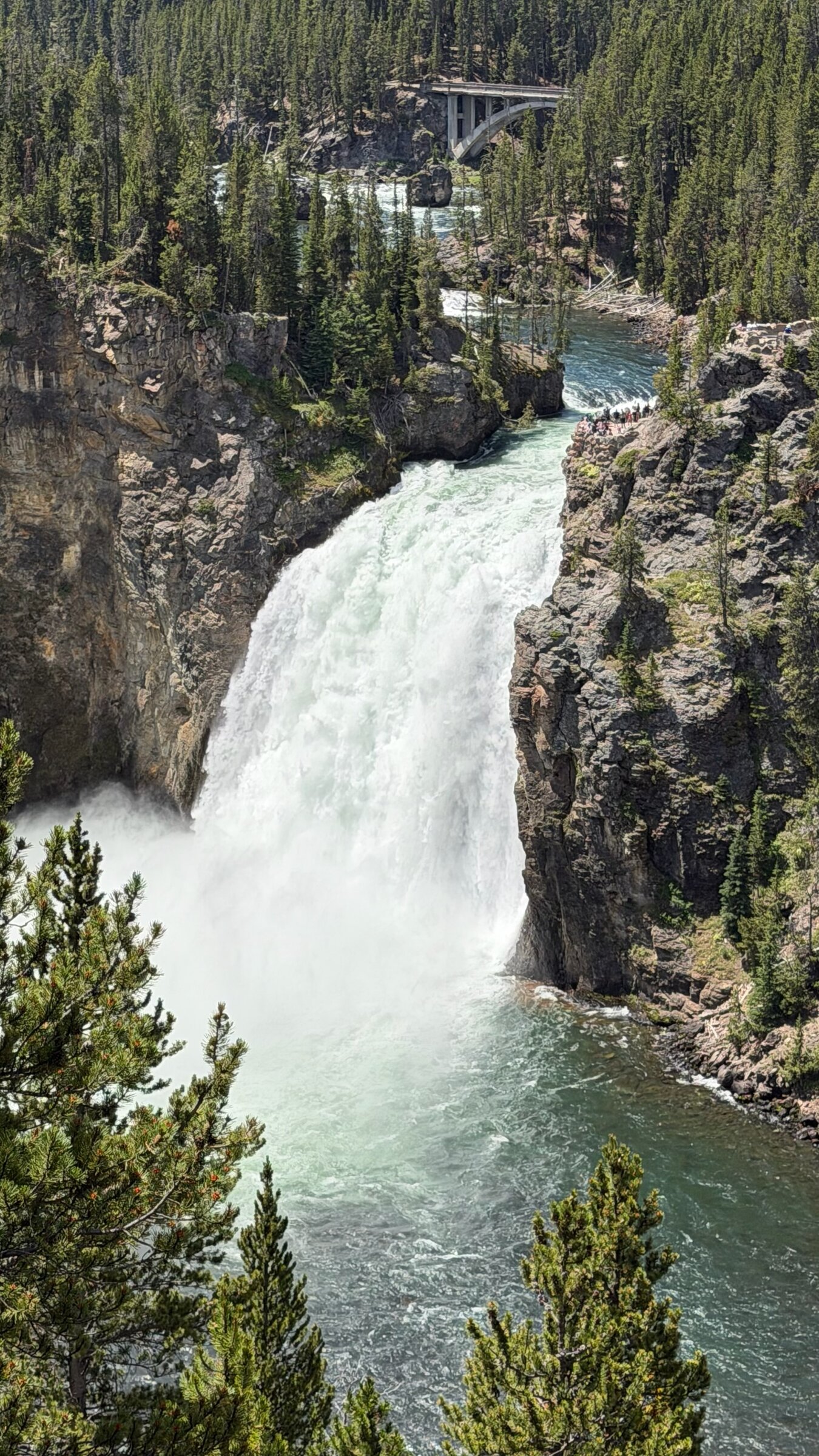
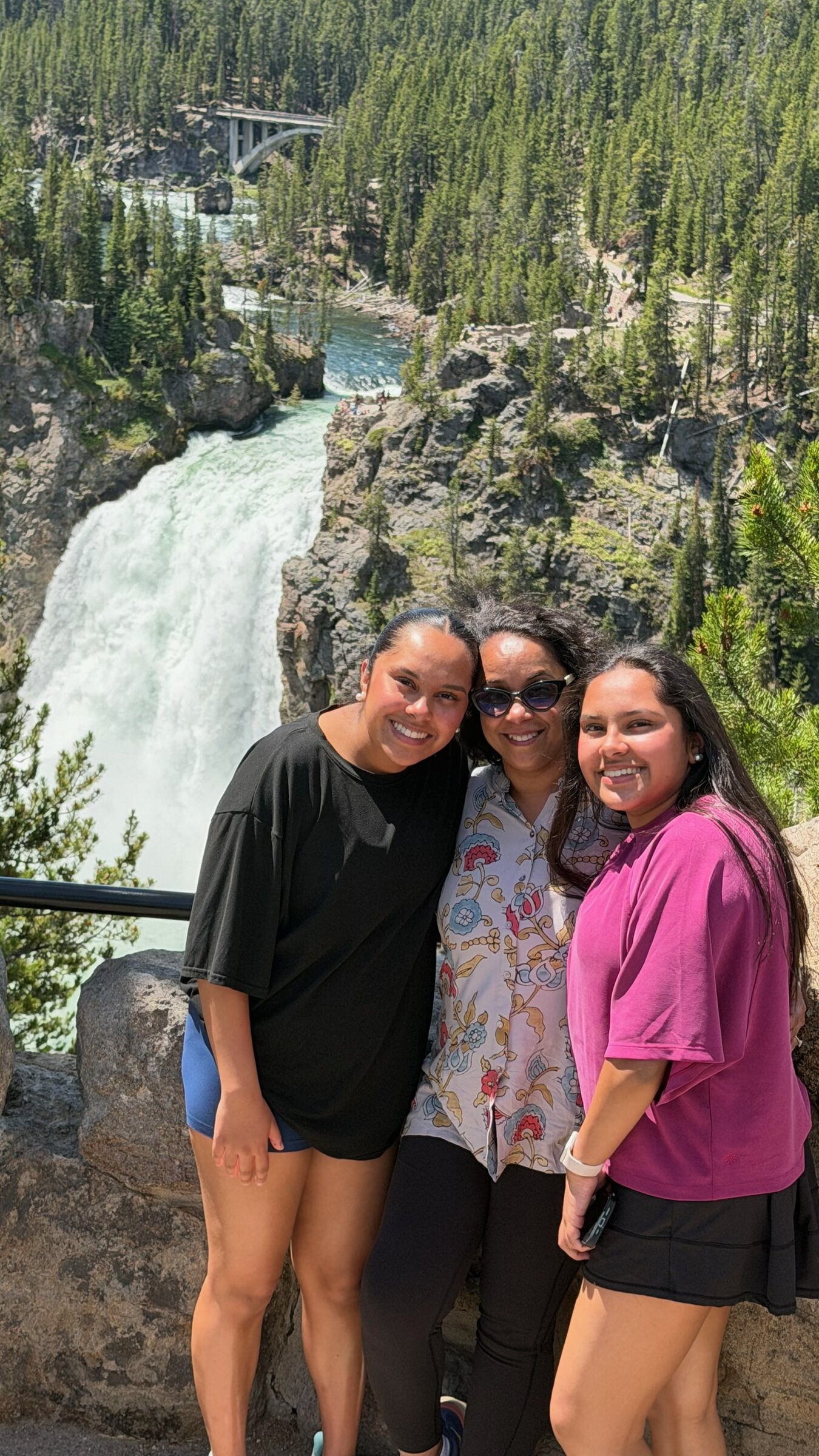
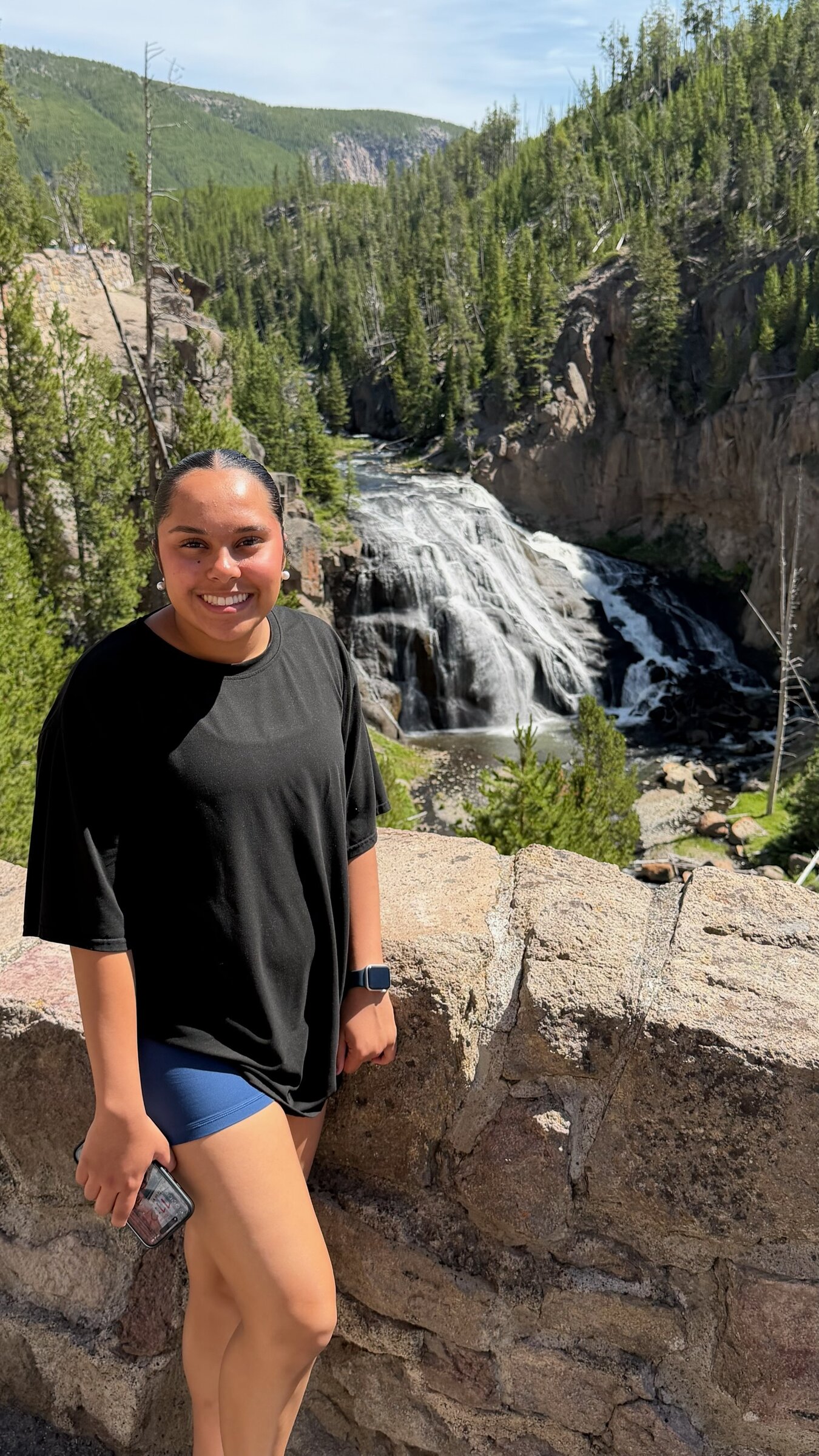
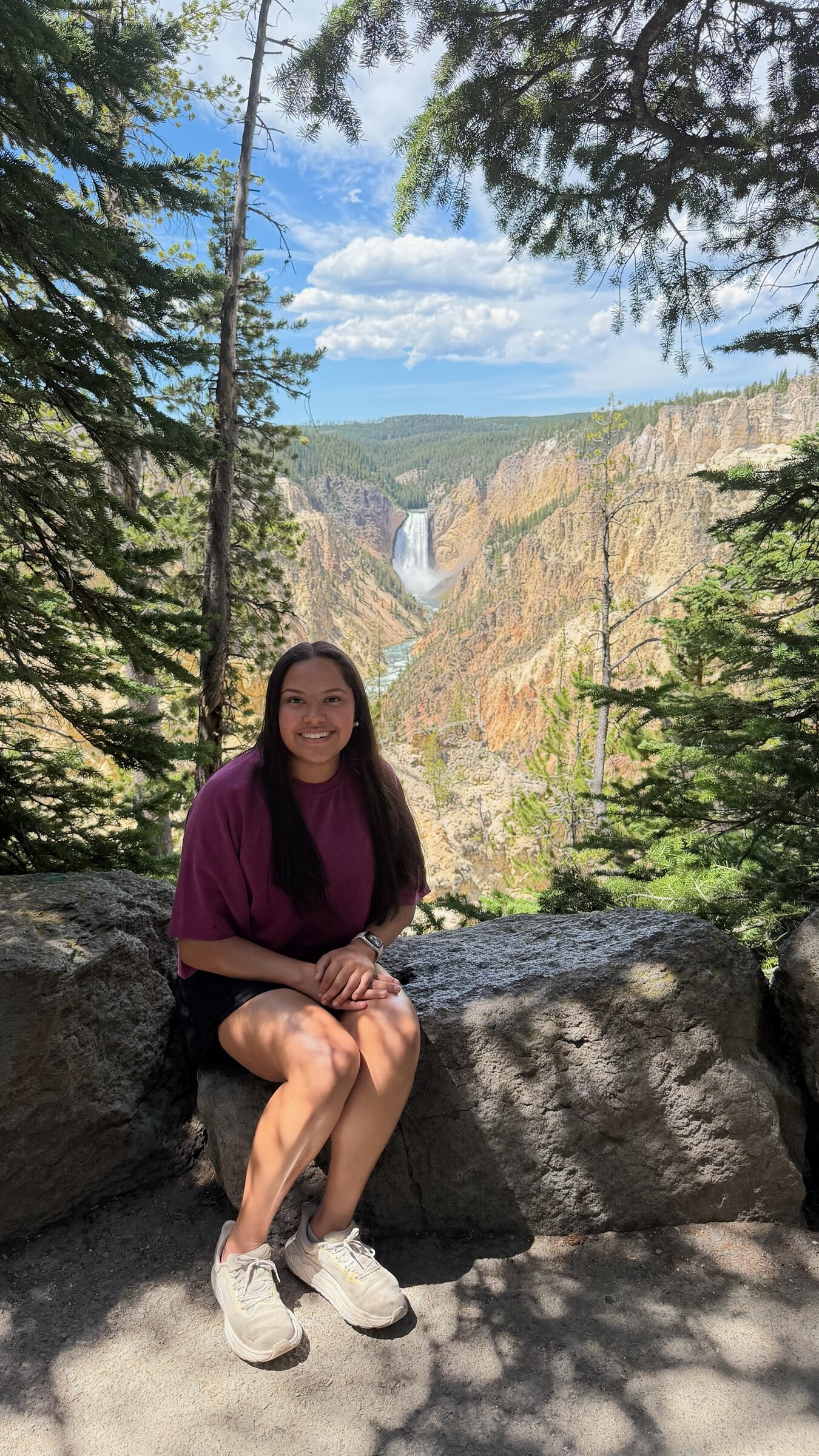
The Grand Canyon of Yellowstone doesn't announce itself the way you'd expect — you walk up a paved path, and then the ground just falls away. Yellow rock, green river, a 300-foot waterfall doing its best to drown out conversation.
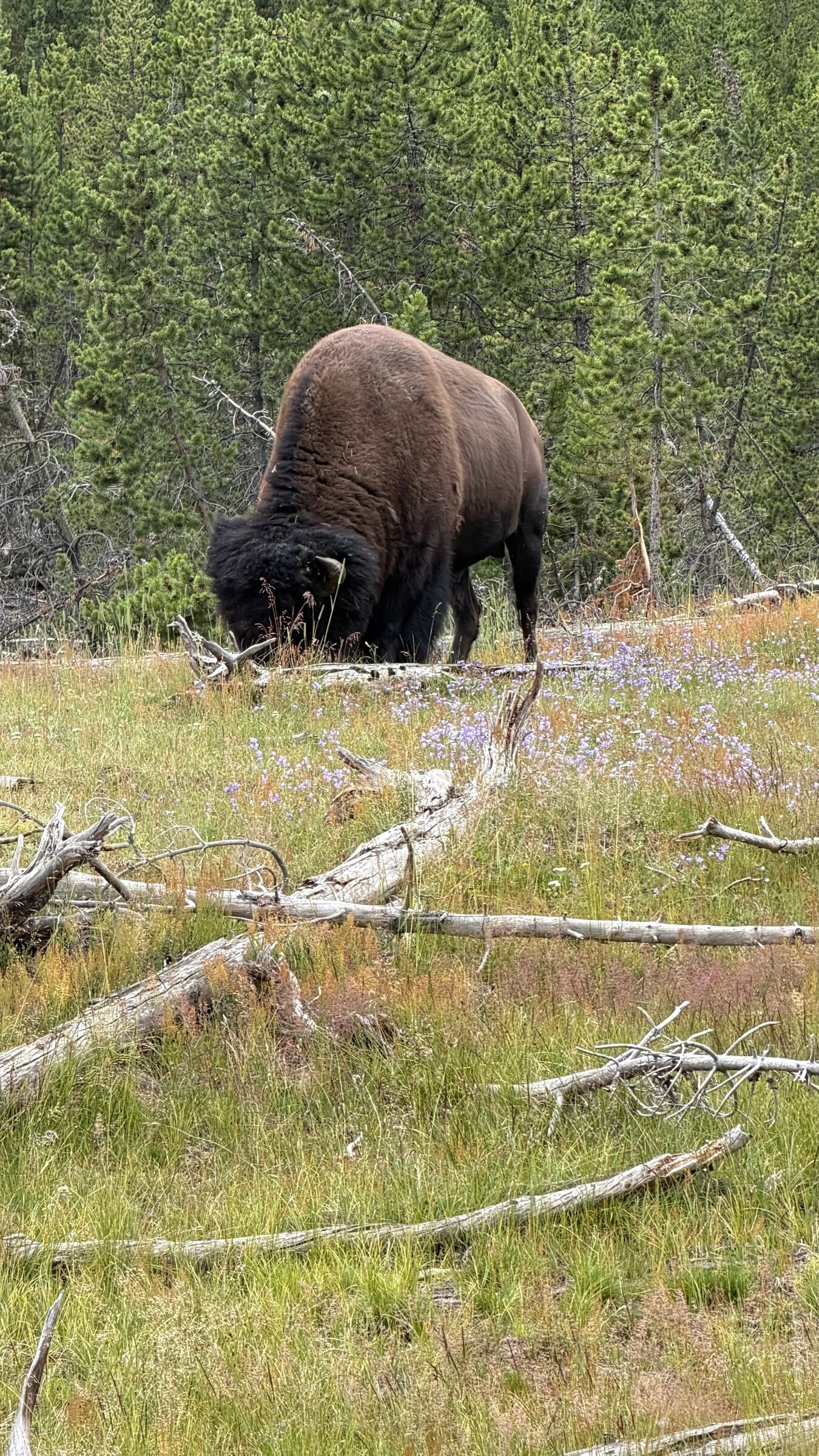
We took the short, steep trail down to the Brink of the Lower Falls because the sign said we could, and regretted it exactly as much as it deserved on the way back up. Later, Hayden Valley delivered on its promise — bison scattered across the grass like they owned it, because they do.
Epic Northern Loop
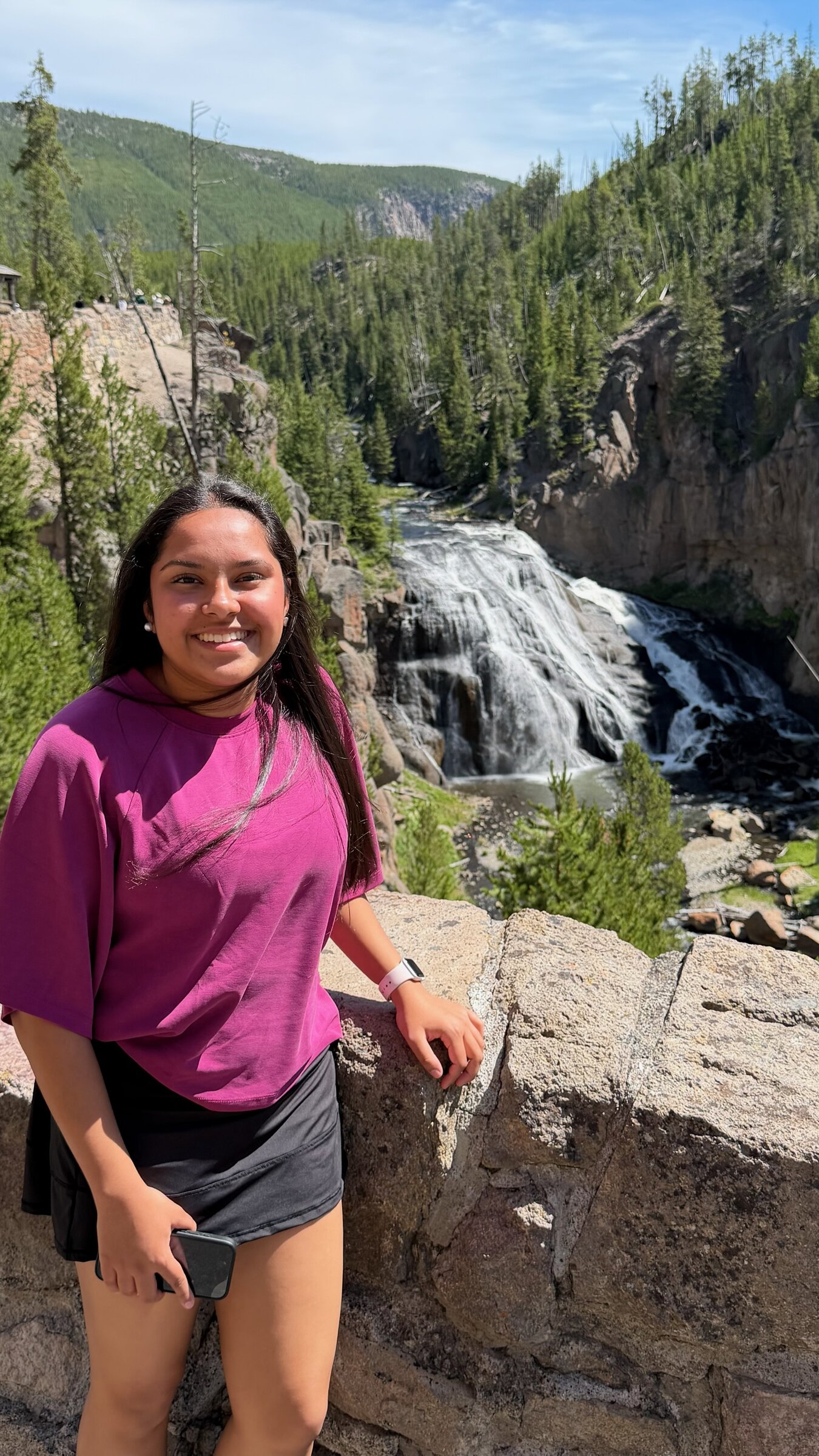
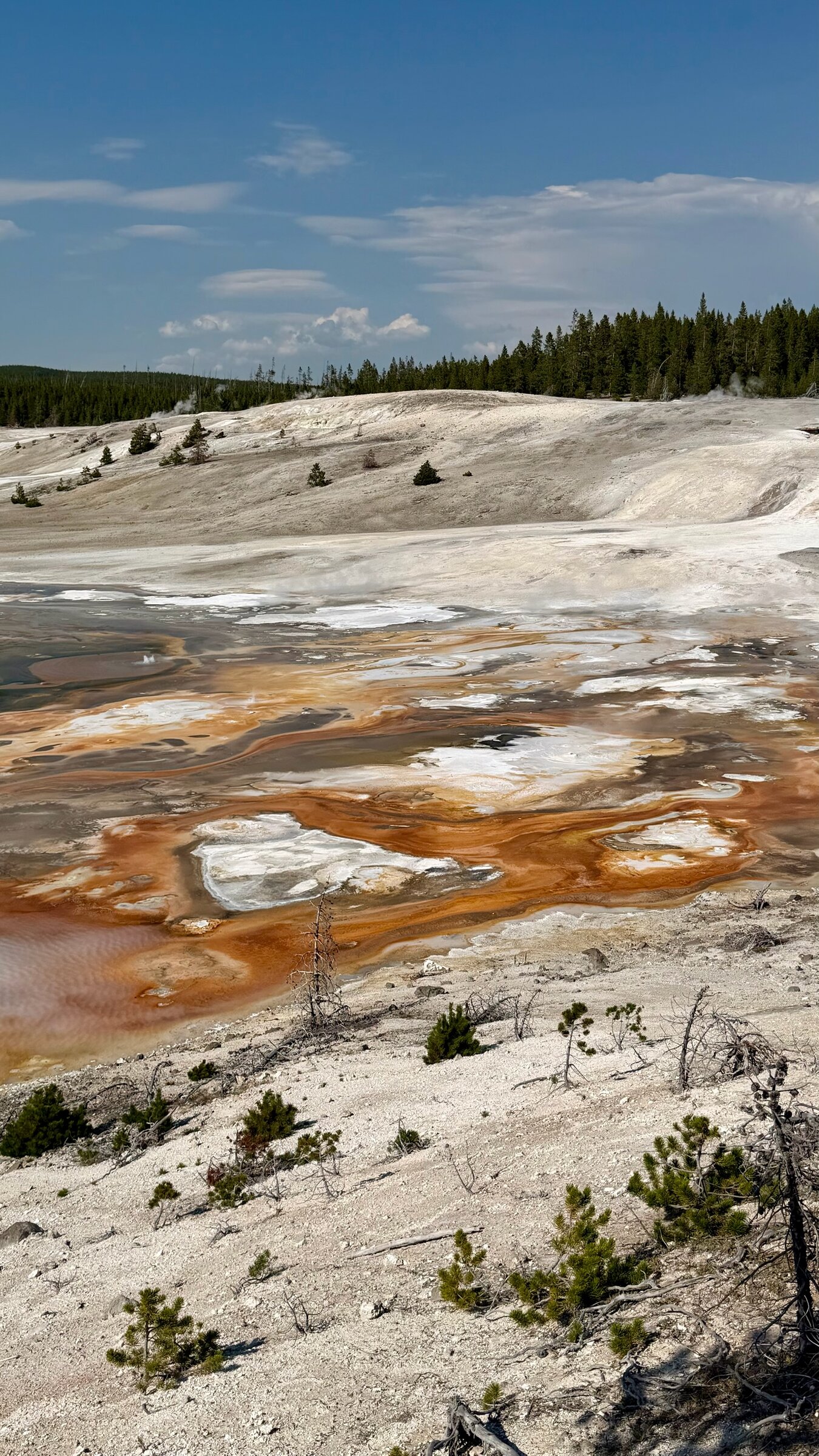
Norris is the park's moodiest corner — the hottest, most acidic, most unpredictable ground in Yellowstone, and it looks the part: bleached earth, ghost trees, water in colors that don't exist anywhere else on the trip.
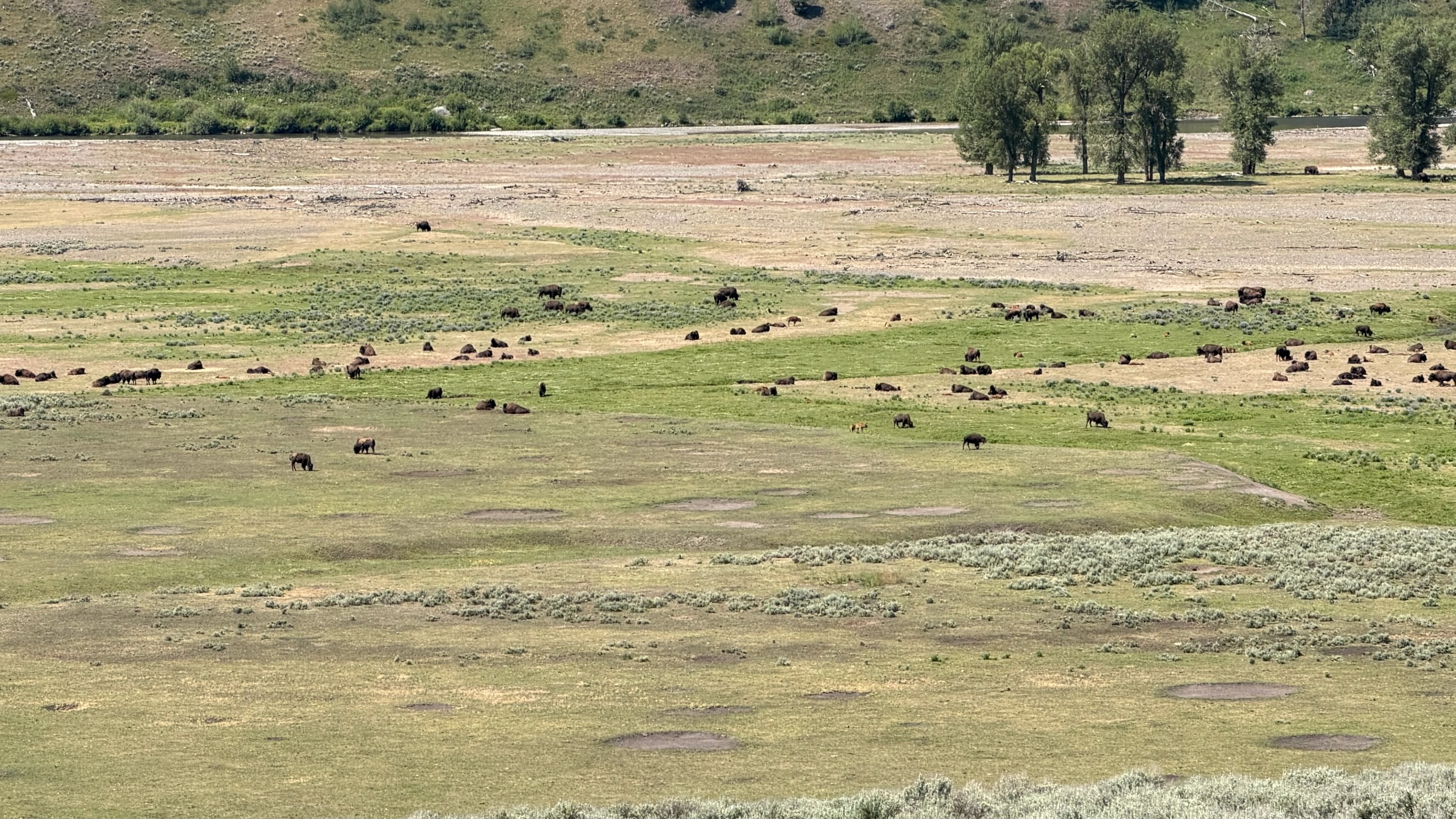
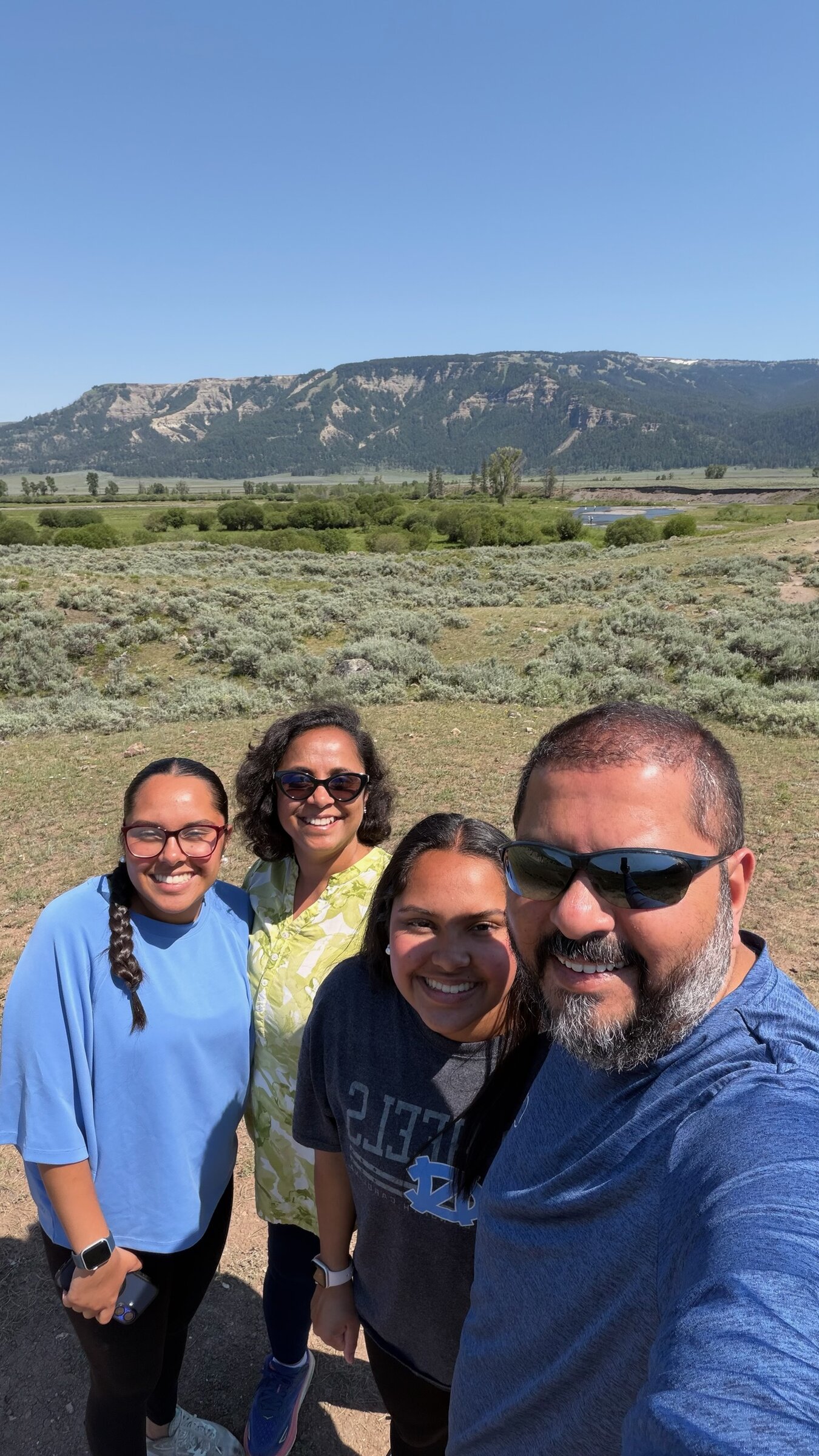
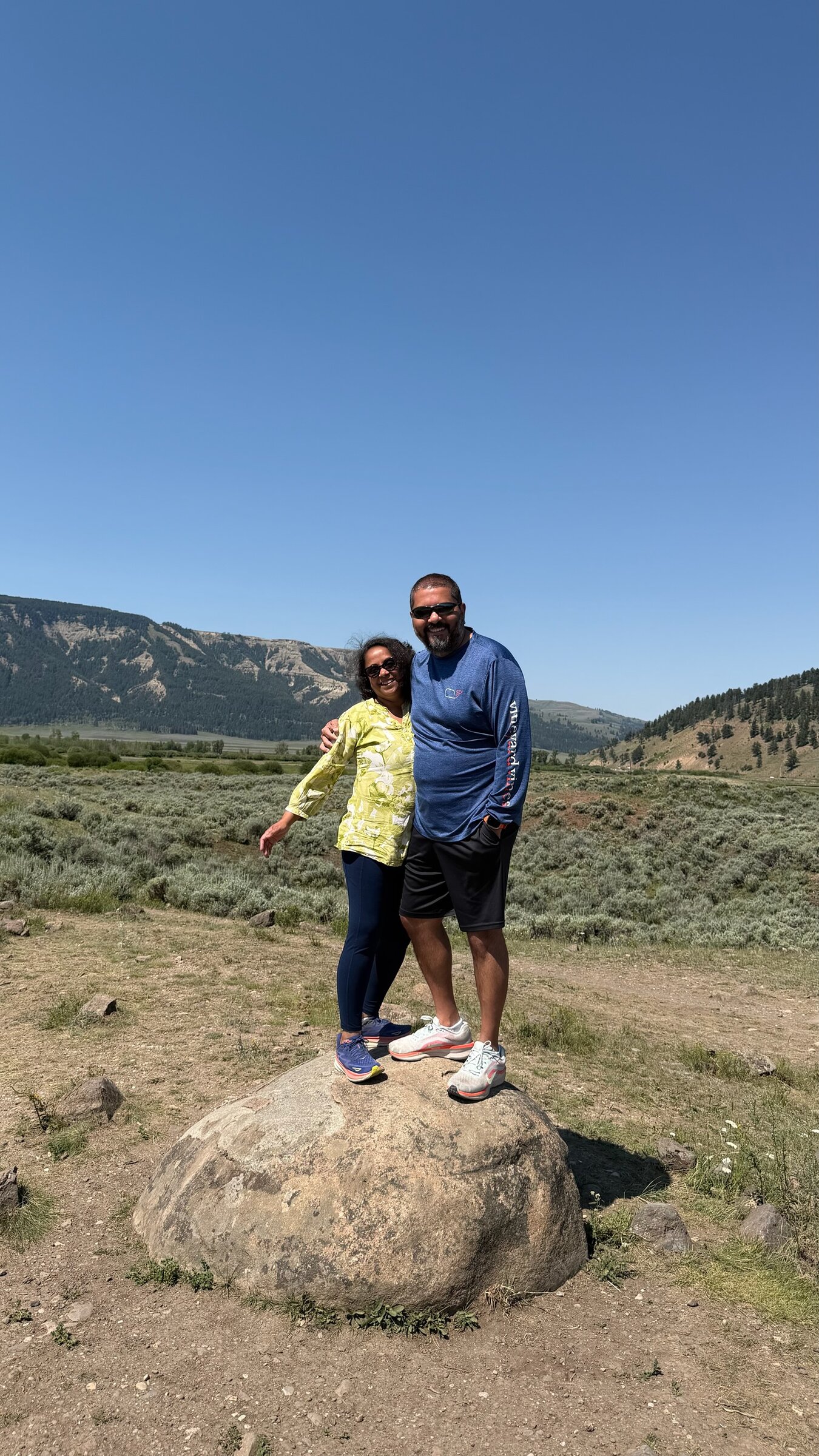
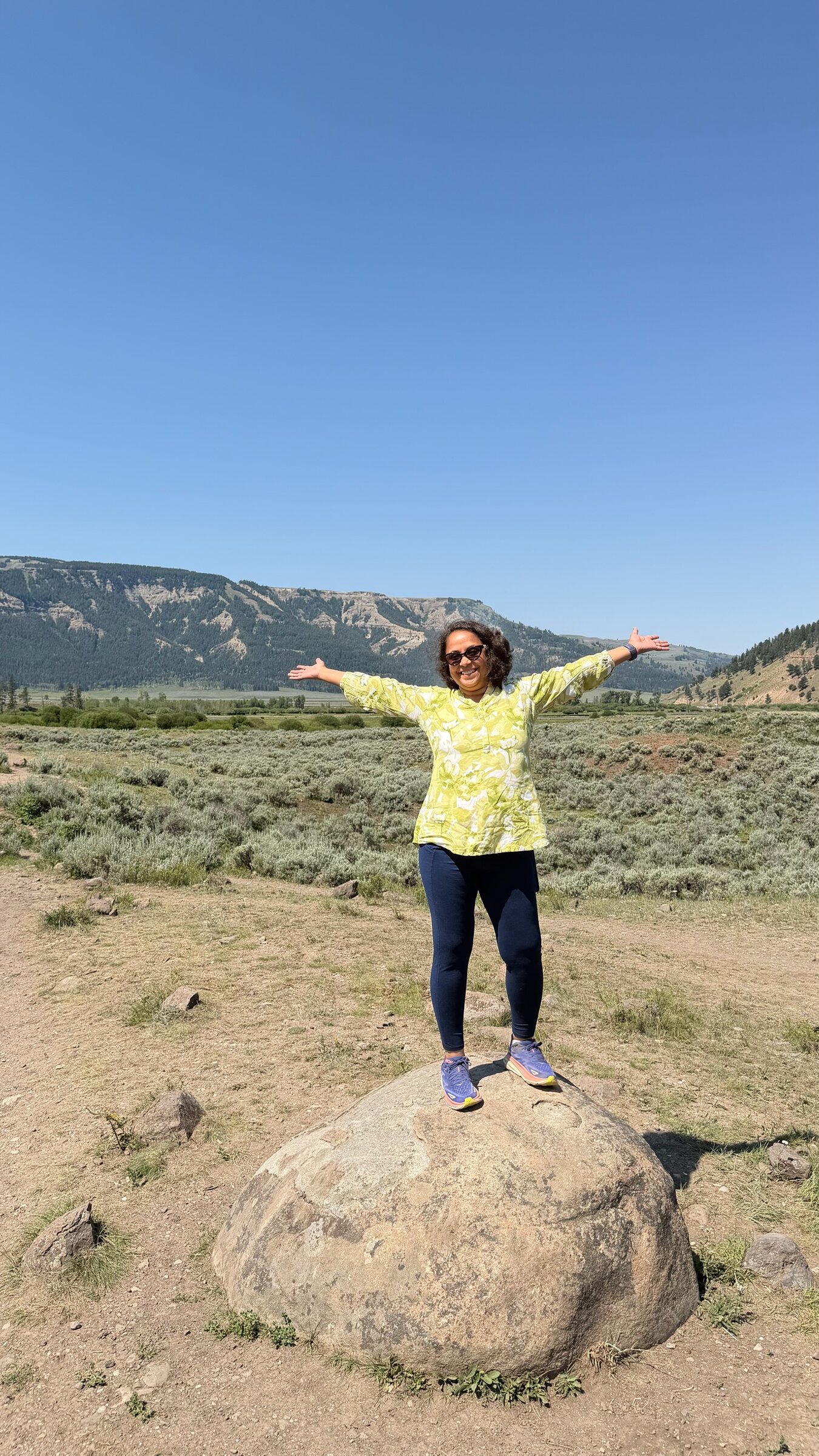
By afternoon we'd traded geothermal terraces for open range — Lamar Valley, the closest thing the lower 48 has to the Serengeti. We didn't see wolves, but we saw why people come back every summer hoping to.
Firehole Scenic & Flex Day
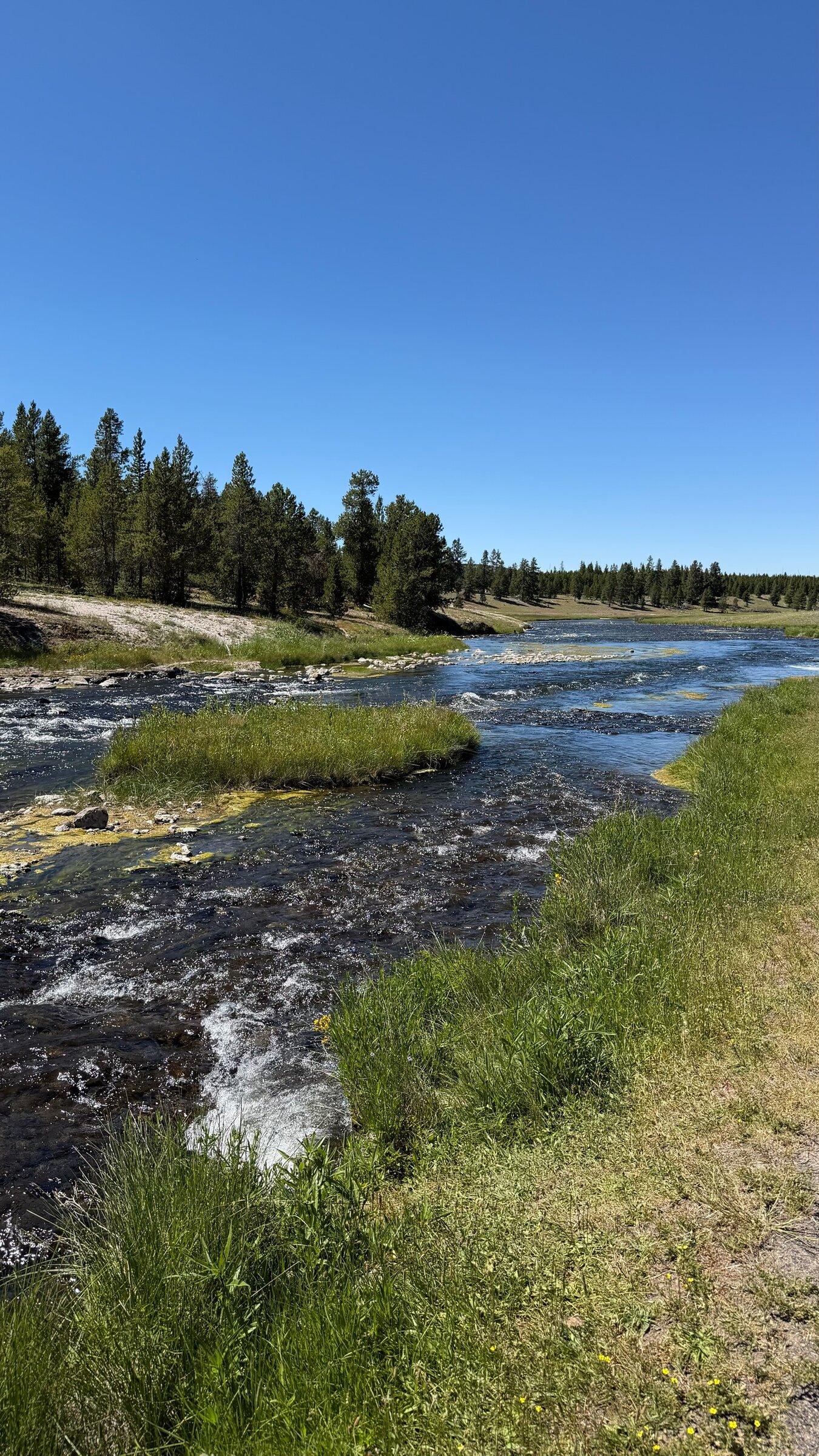
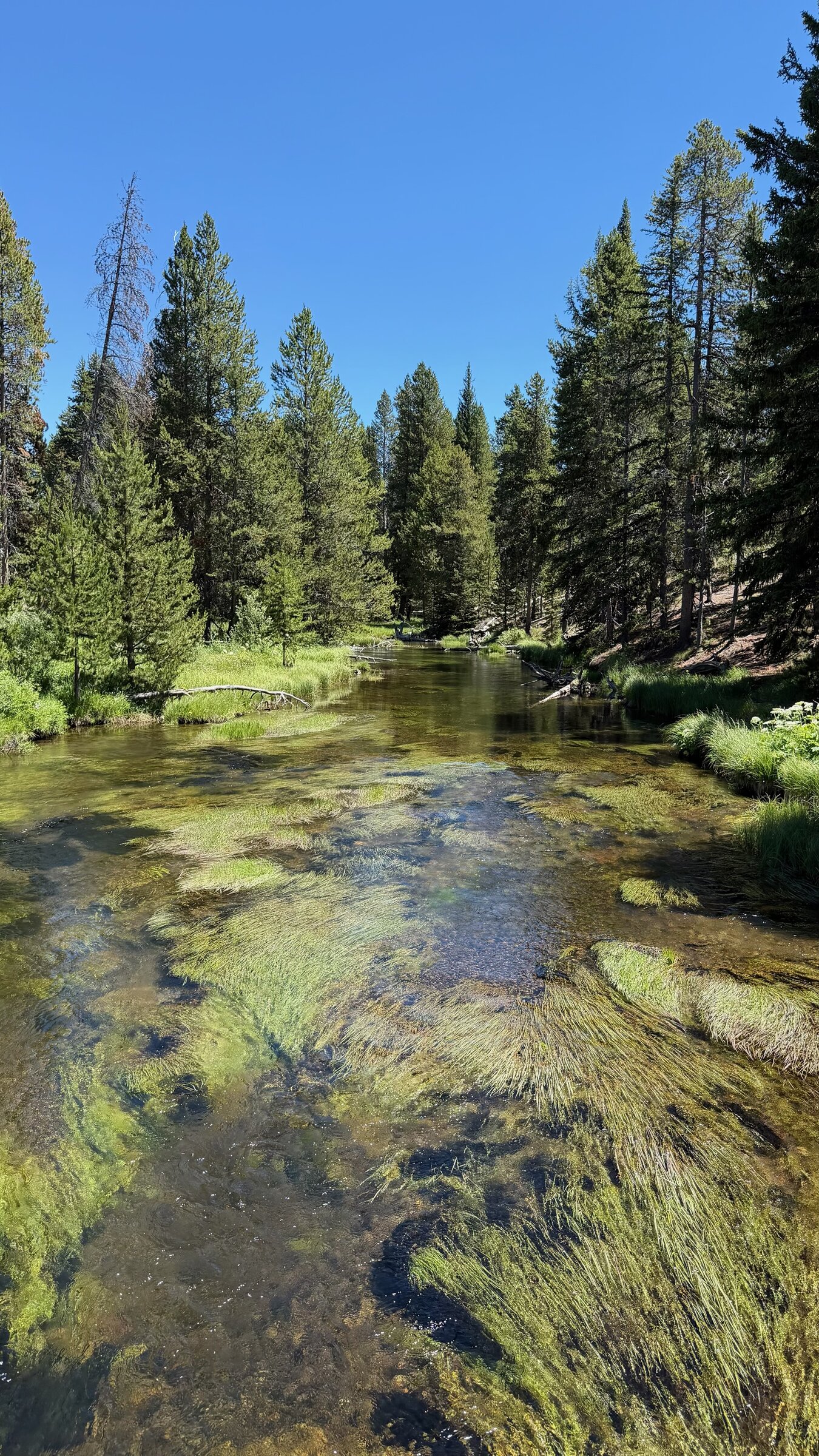
A slower day by design — a one-way loop past Firehole Falls, then an open afternoon we spent unwinding closer to the Airbnb after four straight days of early alarms and long drives.
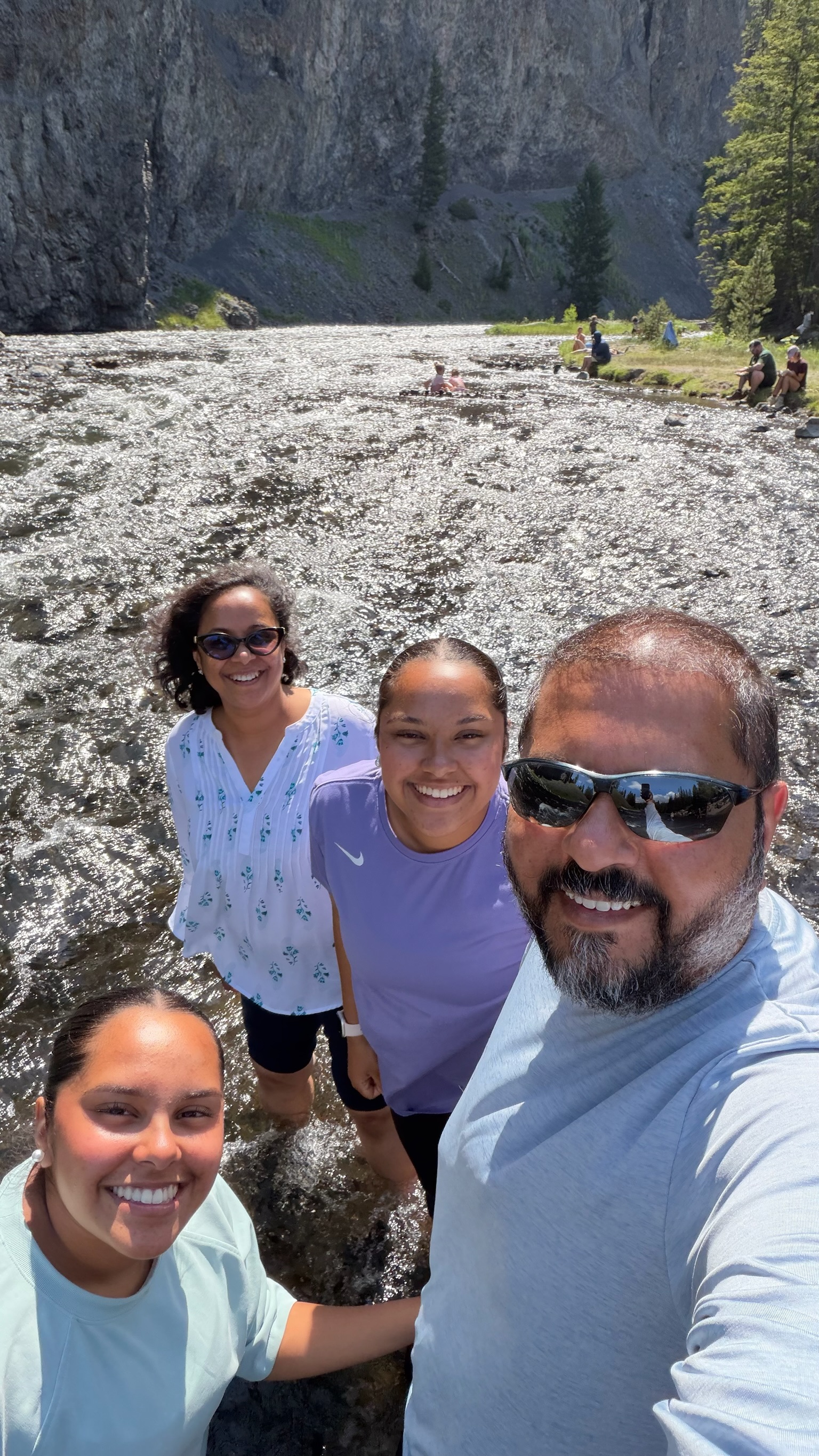
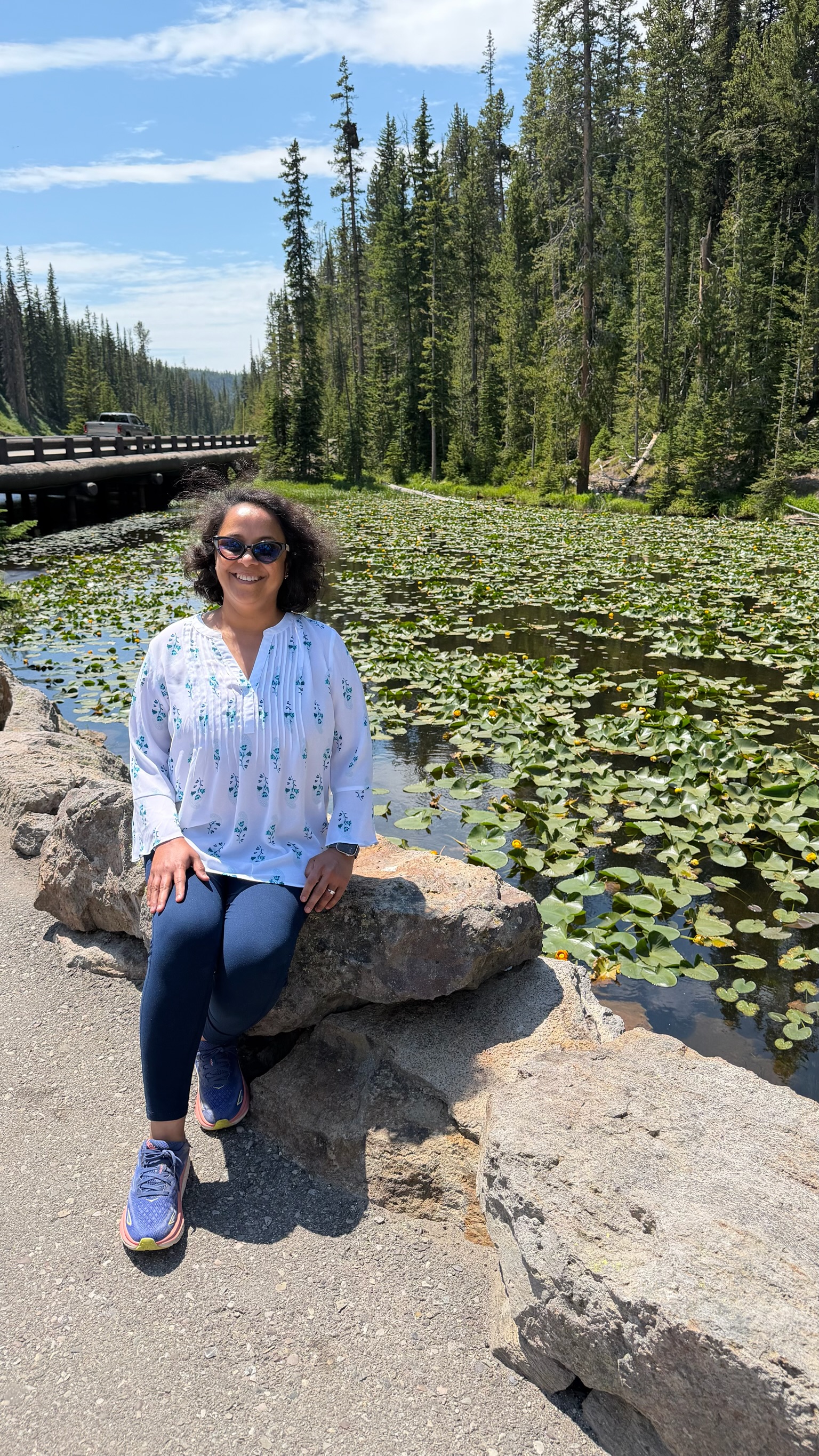
The cameras still came out — Firehole Canyon's swimming hole was too good to pass up, cold water and all, and Isa Lake gave us a quiet detour on the way back, right on the Continental Divide.
Phase Two — Grand Teton
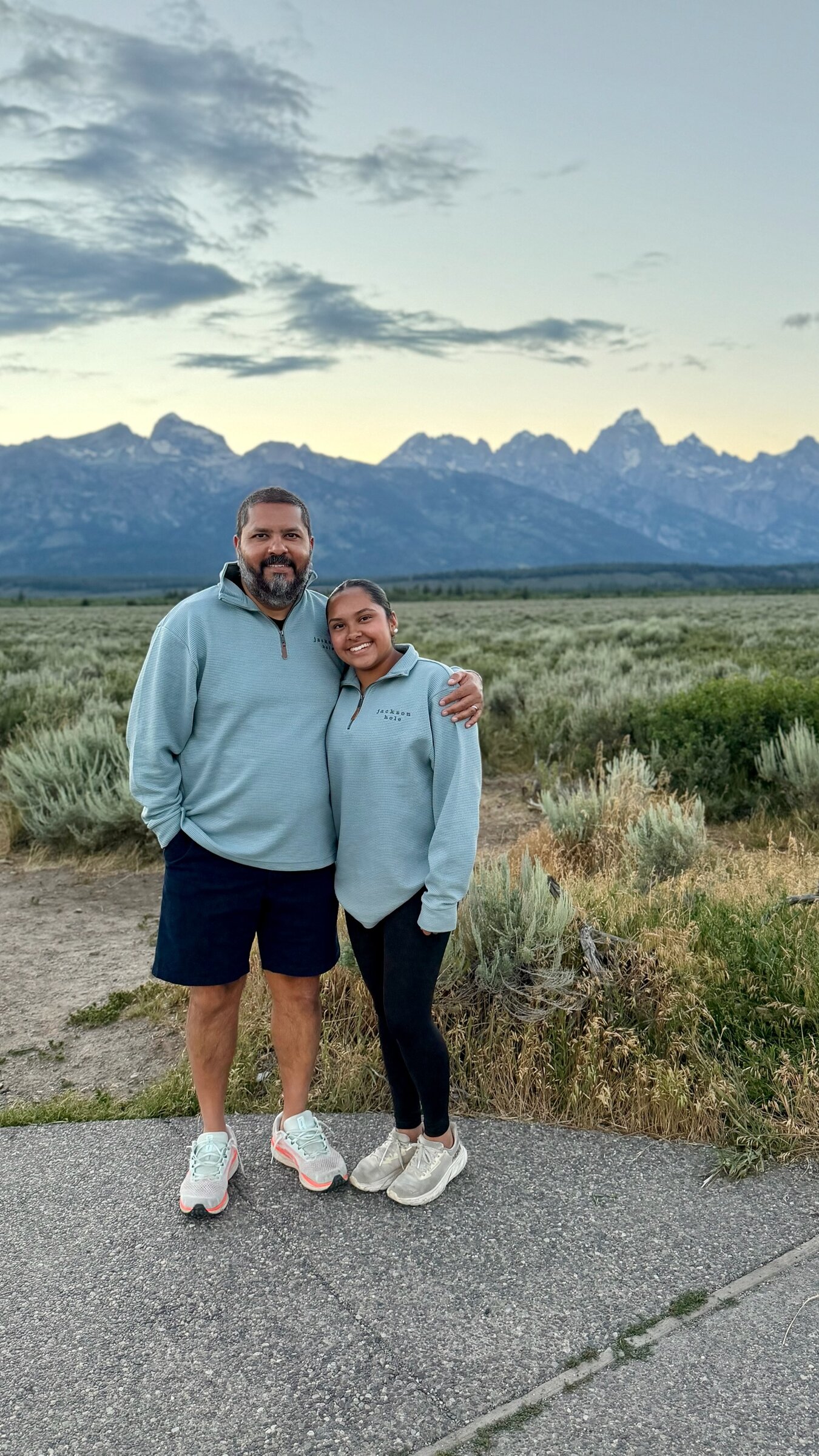
Four nights in Wilson, Wyoming, under the jagged granite of the Tetons — alpine lakes, whitewater, and the mountains that end the trip on the highest note possible.
Southbound to Grand Teton
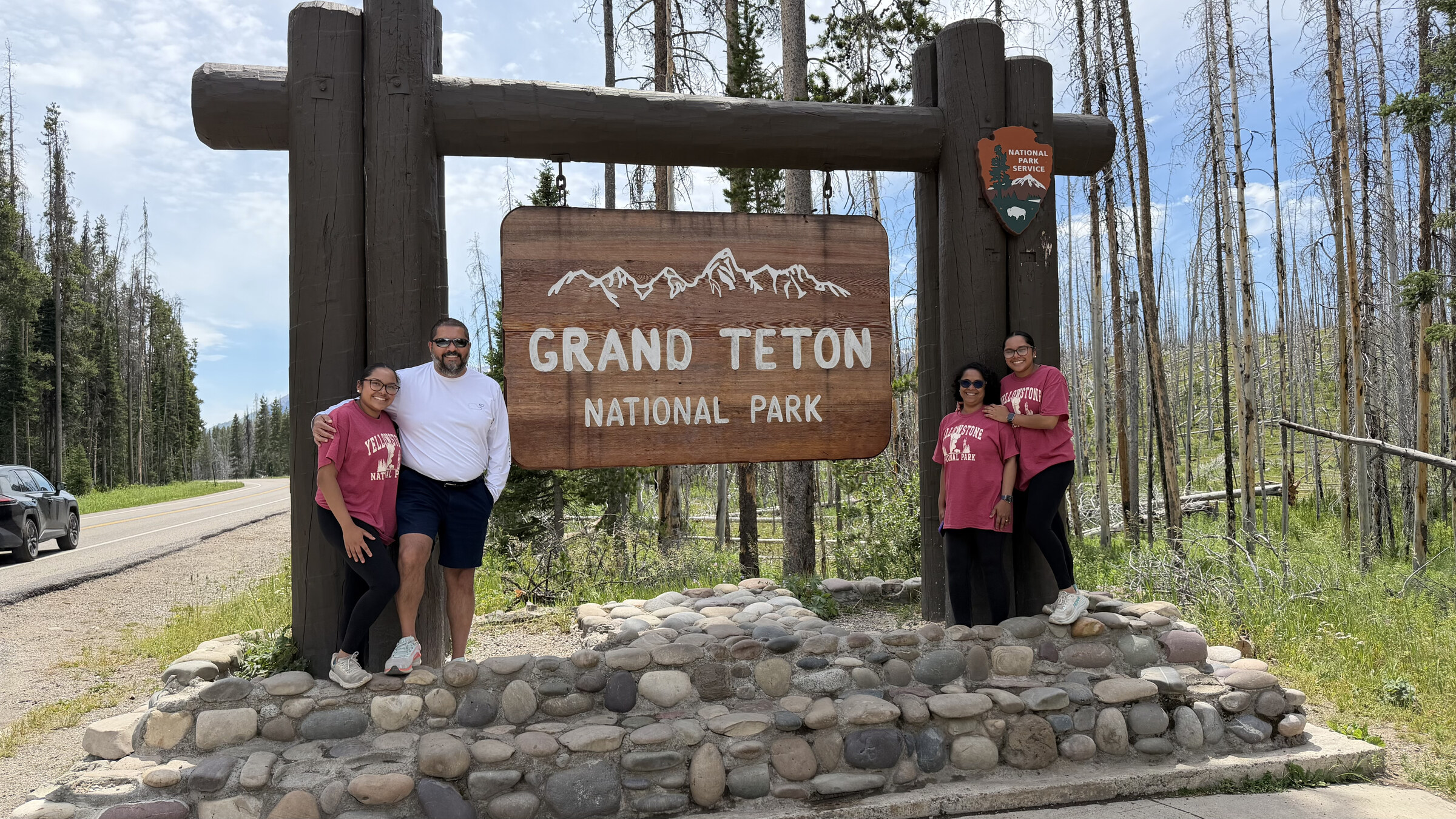
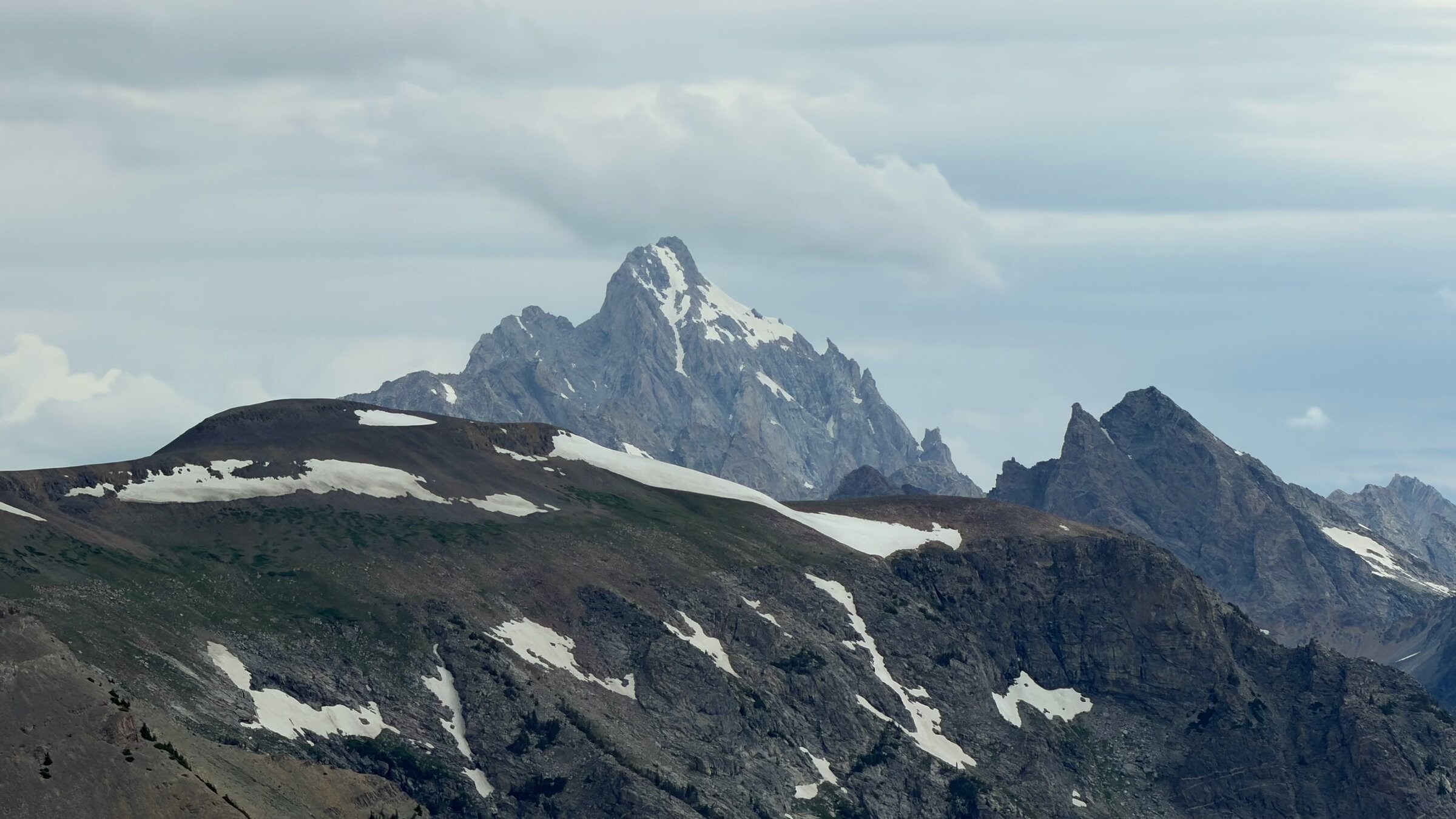
We said goodbye to Island Park and pointed the SUV south, tracking the length of Yellowstone before crossing into the Tetons. Lewis Falls gave us a reason to stretch our legs; Jackson Lake Lodge gave us a lunch stop with the trip's first real look at the Tetons, rising up over the far side of the lake.
By late afternoon we'd traded geyser basins for jagged granite — a new range, a new base, four nights in Wilson to explore it.
The Big Mountain Hike
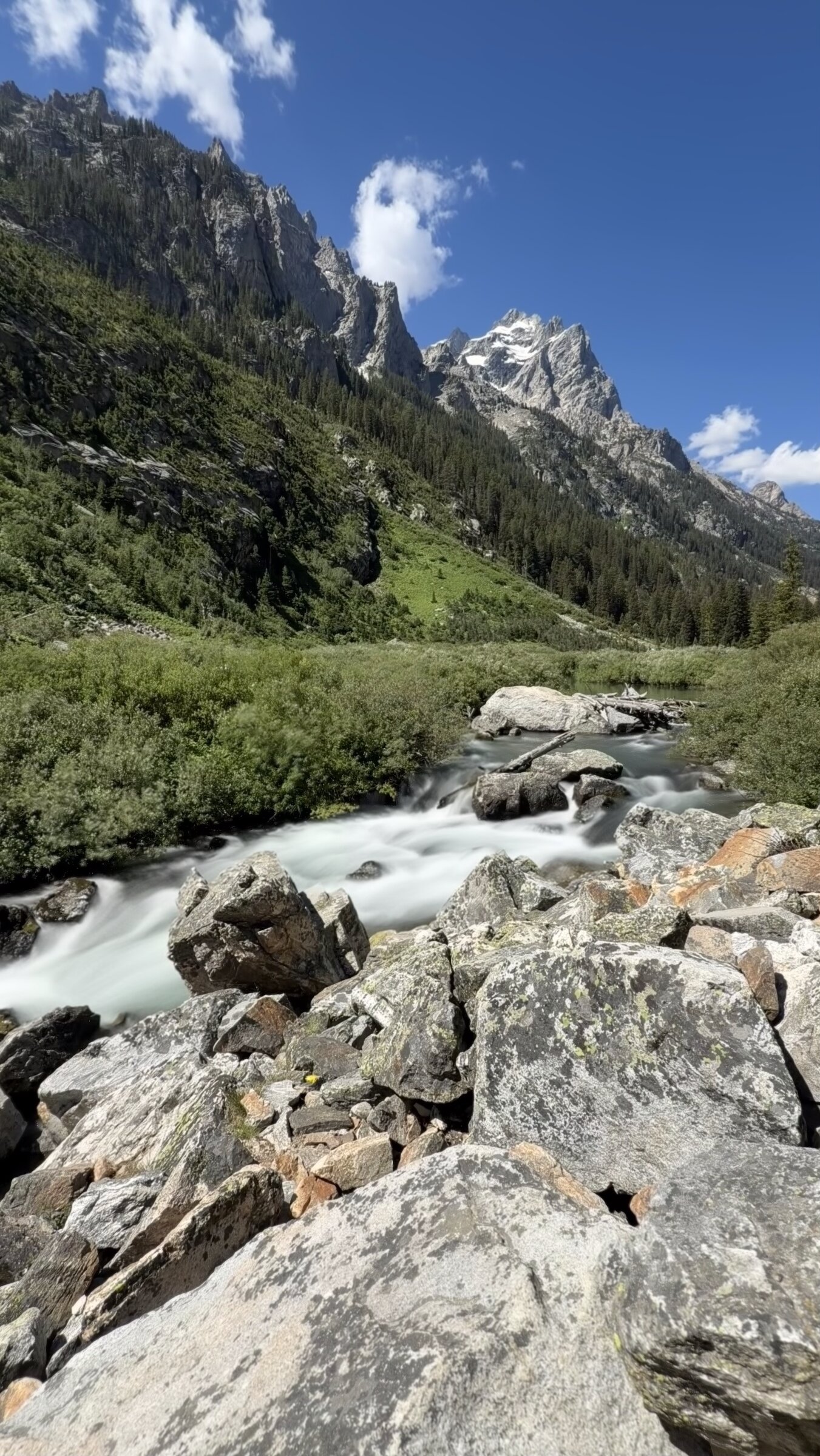
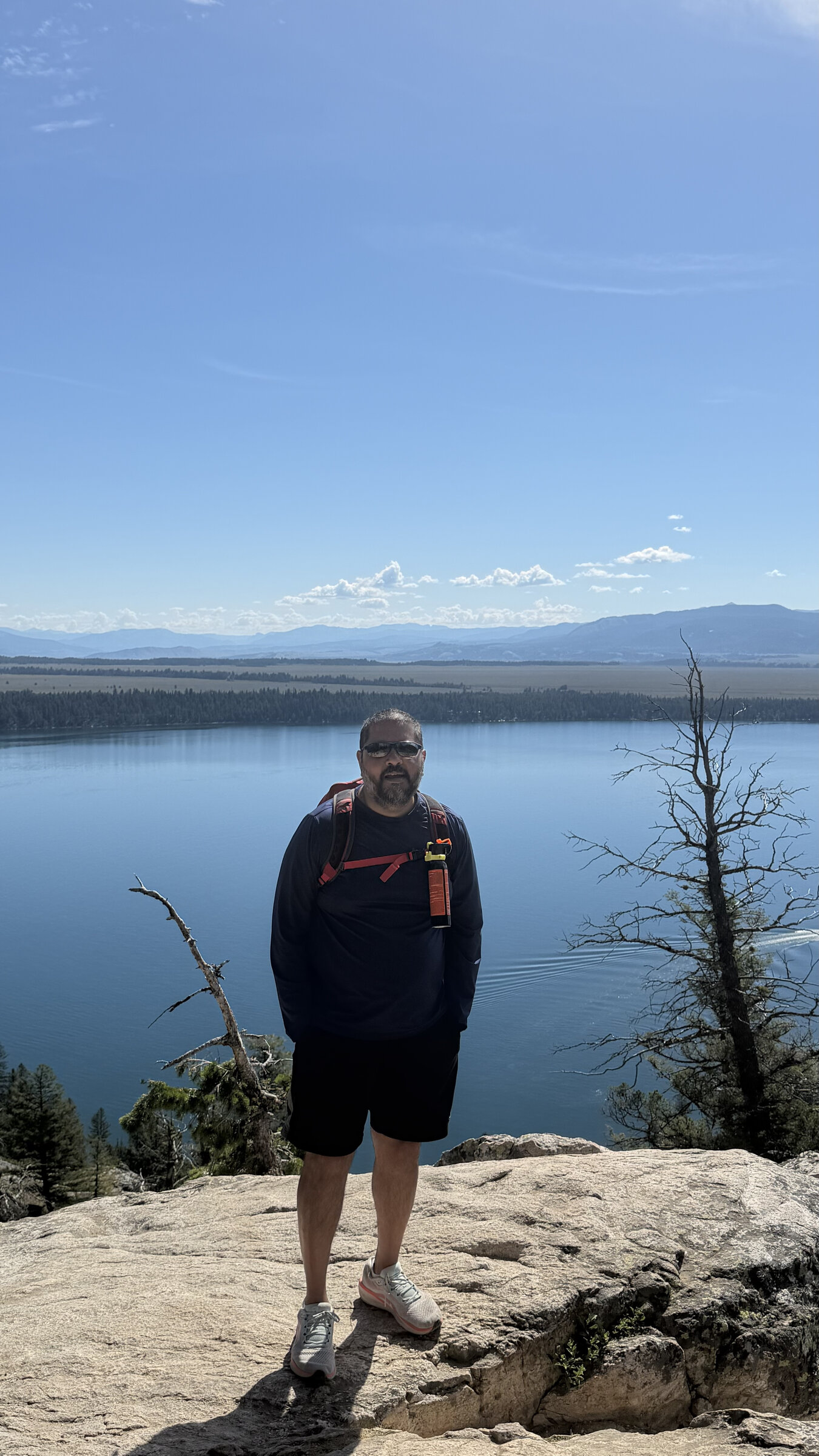
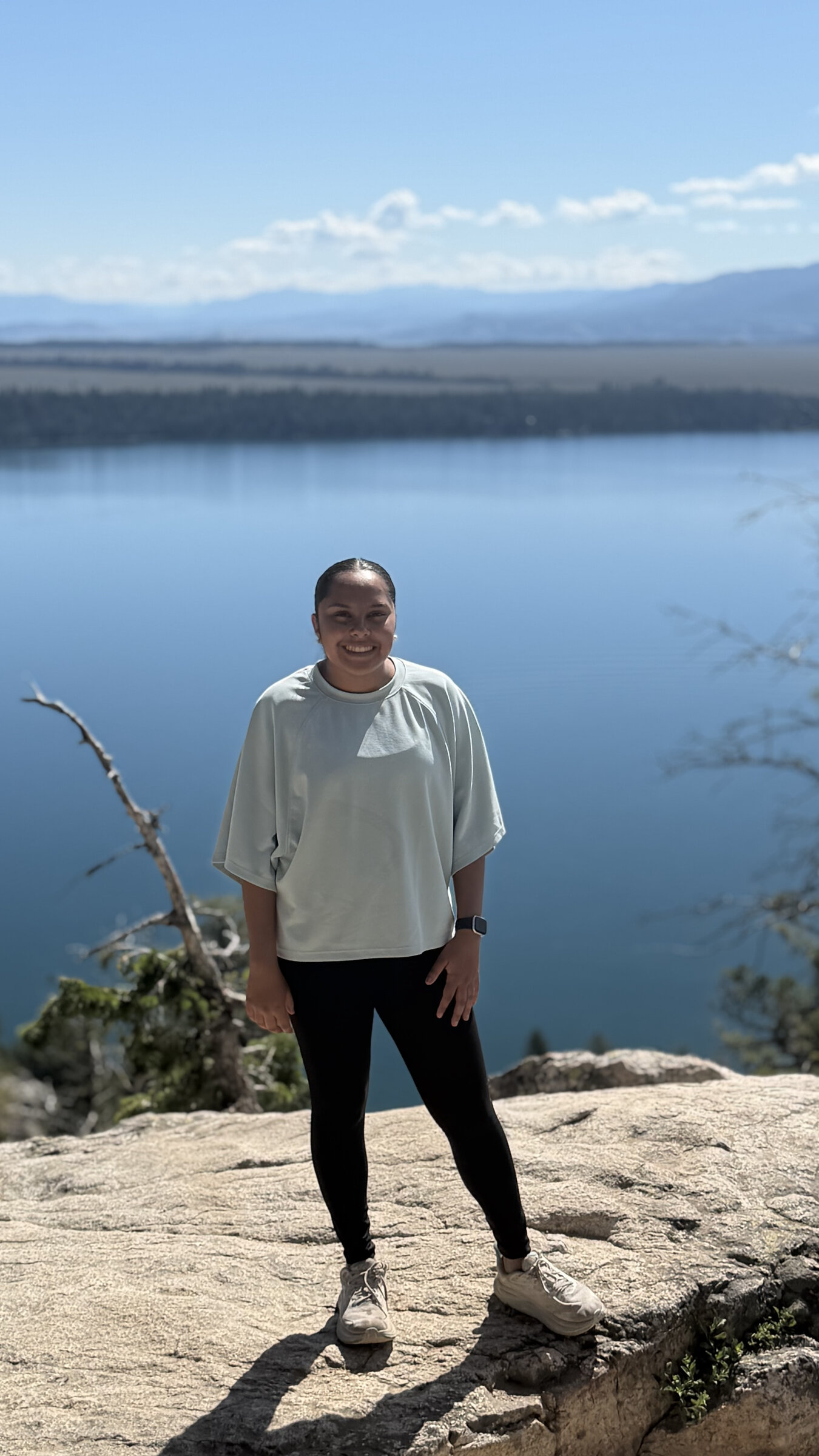
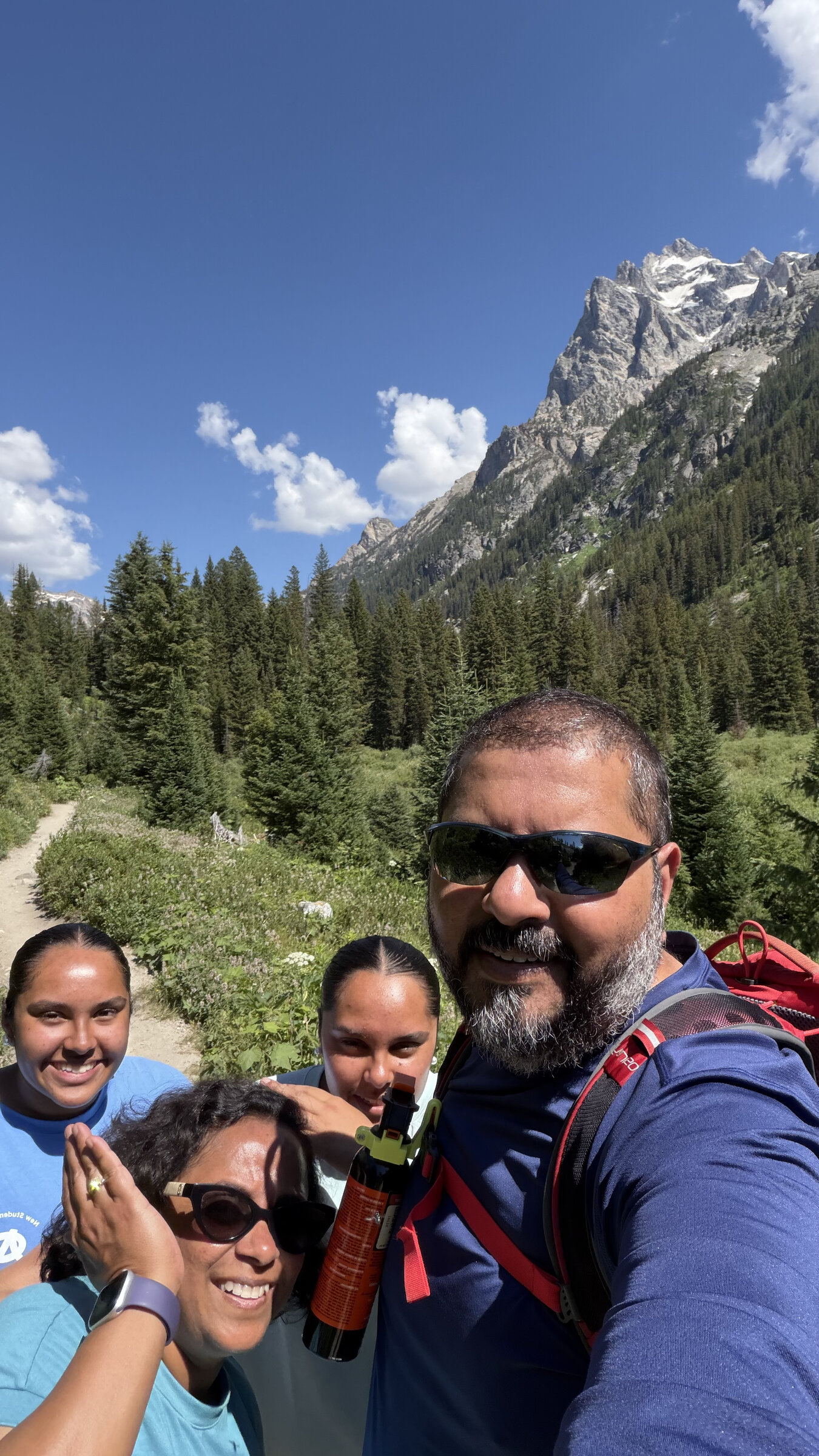
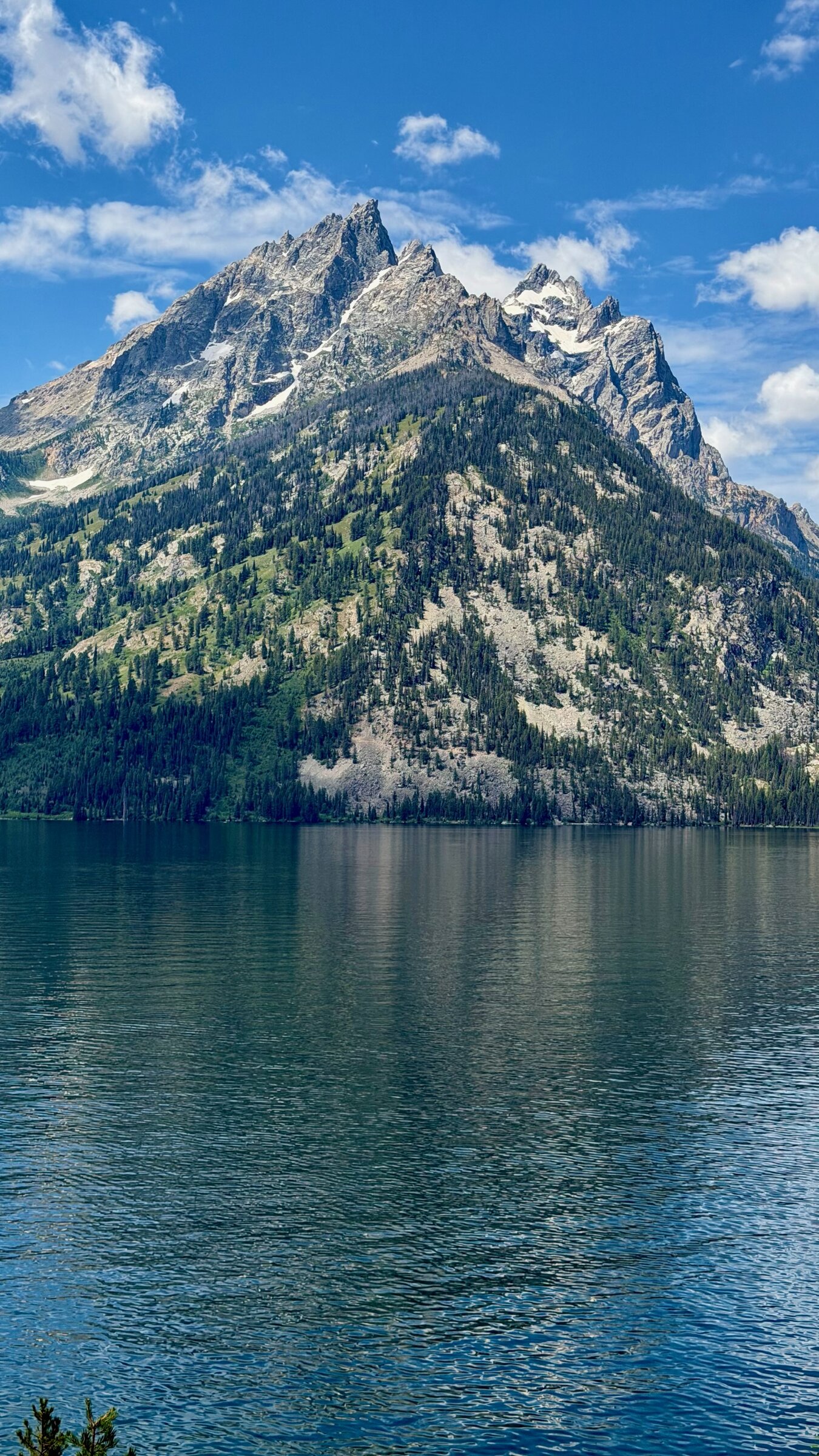
An early boat across Jenny Lake, a climb to Inspiration Point, and then the real hike began — Cascade Canyon, deep into glacier-carved granite, five hours round trip and not a single mile of it ordinary.
We closed the day about as differently as possible: wood-fired pizza in a converted historic theater, then the Jackson Hole Rodeo, bright lights and dust and a crowd that came ready to cheer.
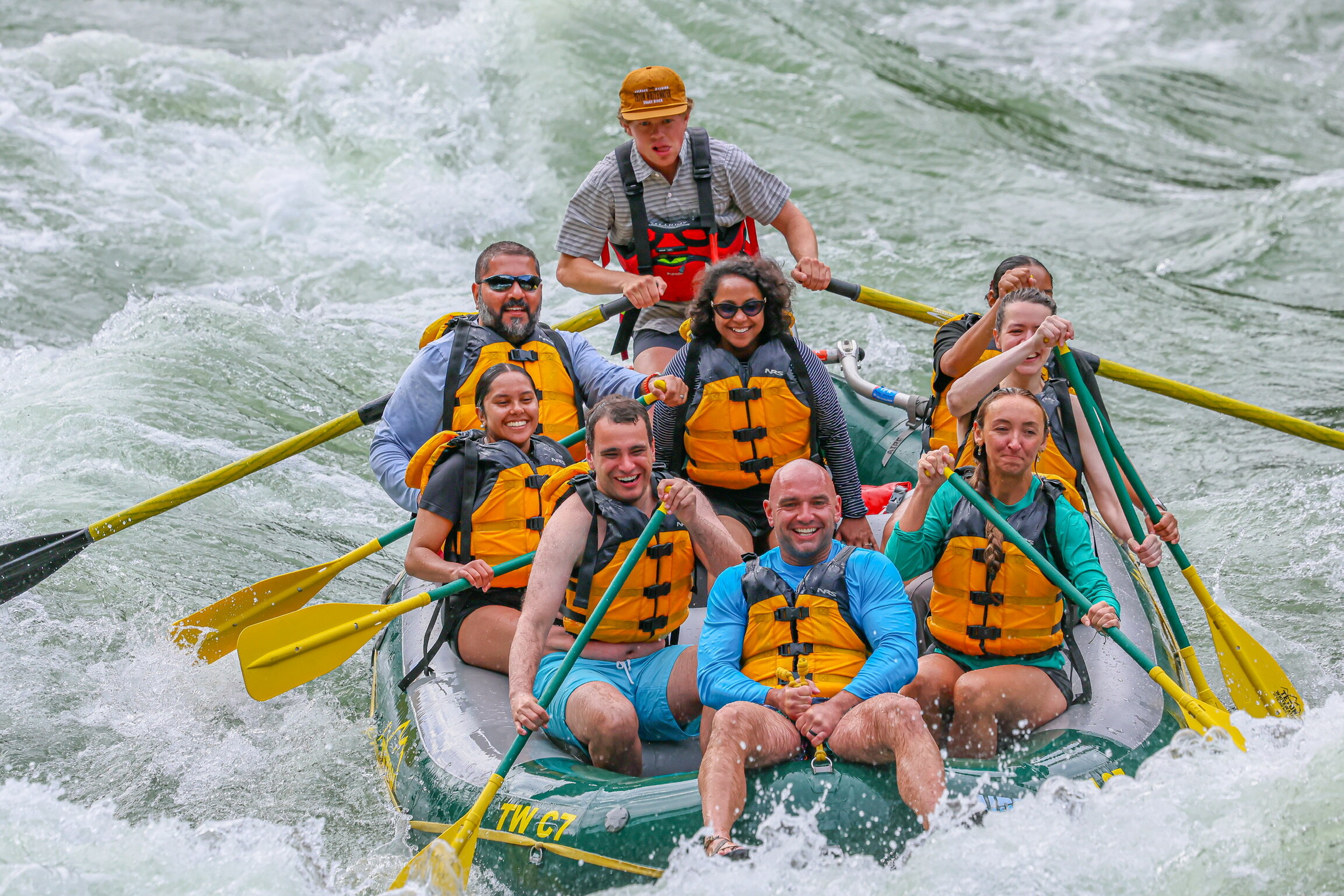
Whitewater & the Grand Finale Dinner
The water was freezing, the rapids were loud, and nobody wanted to look down. The Snake River Canyon's Class III water turned four people into one very wet, very loud team for about four hours — and it's still the day the group photo evidence is the most convincing.
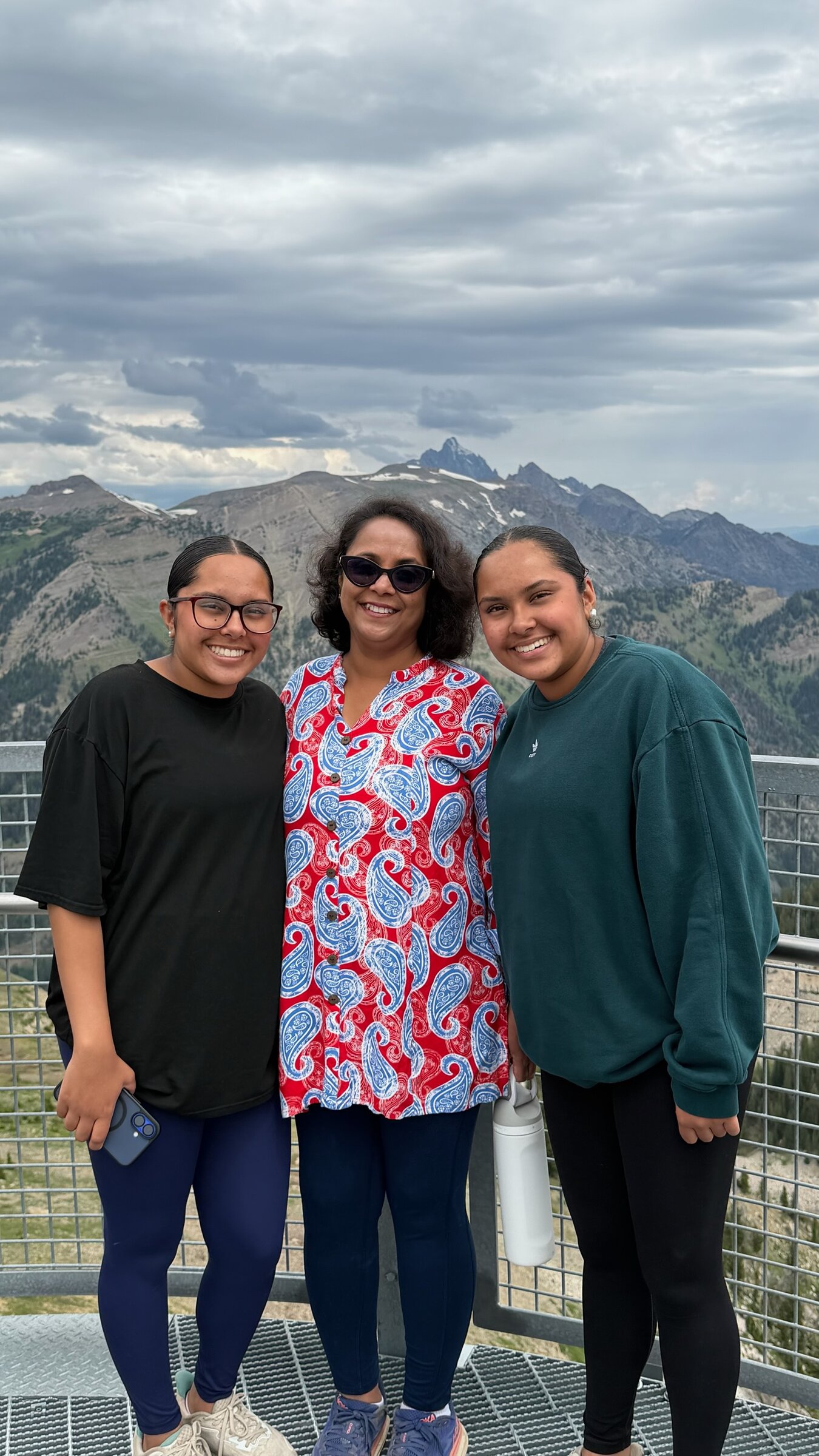
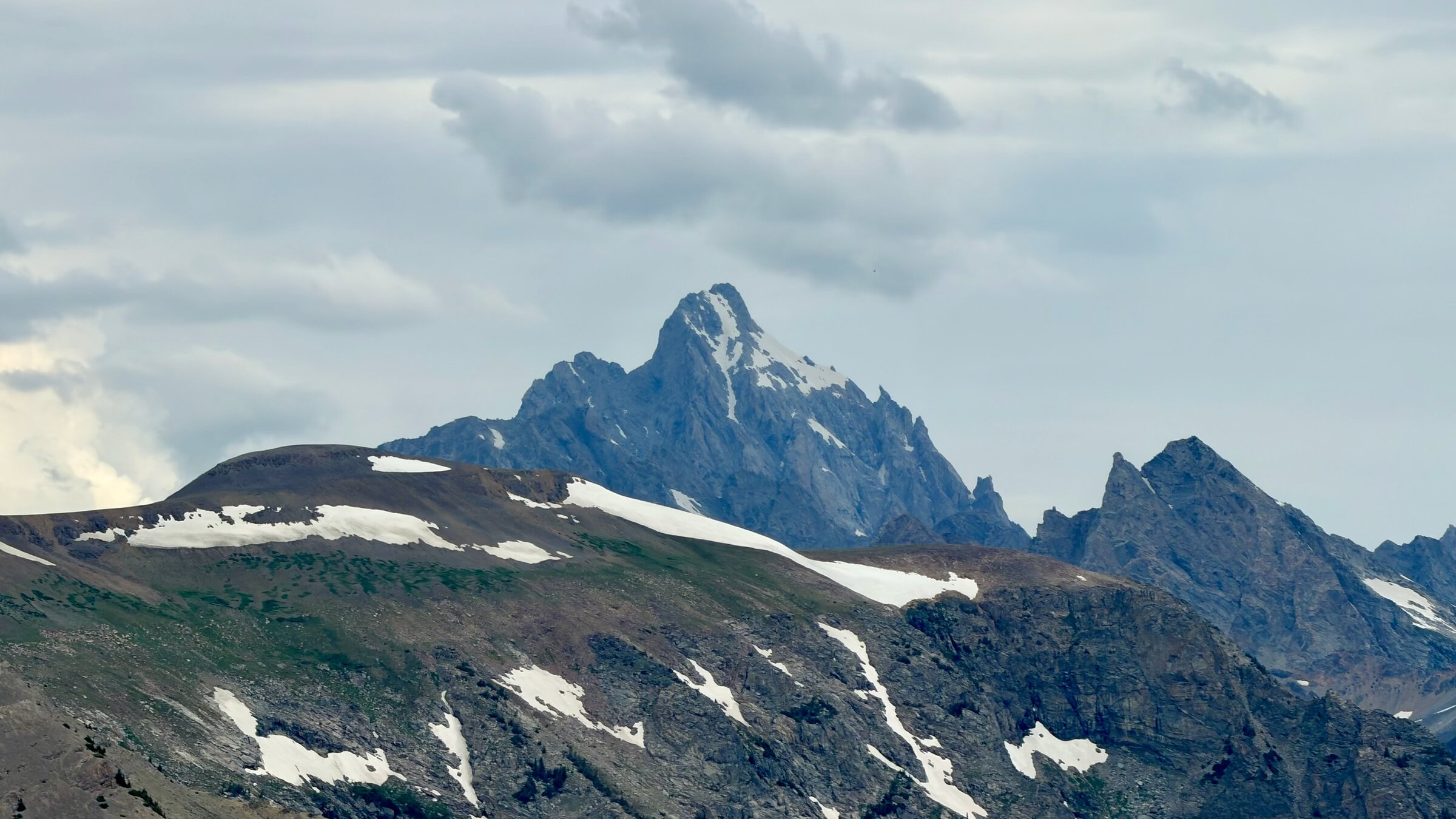
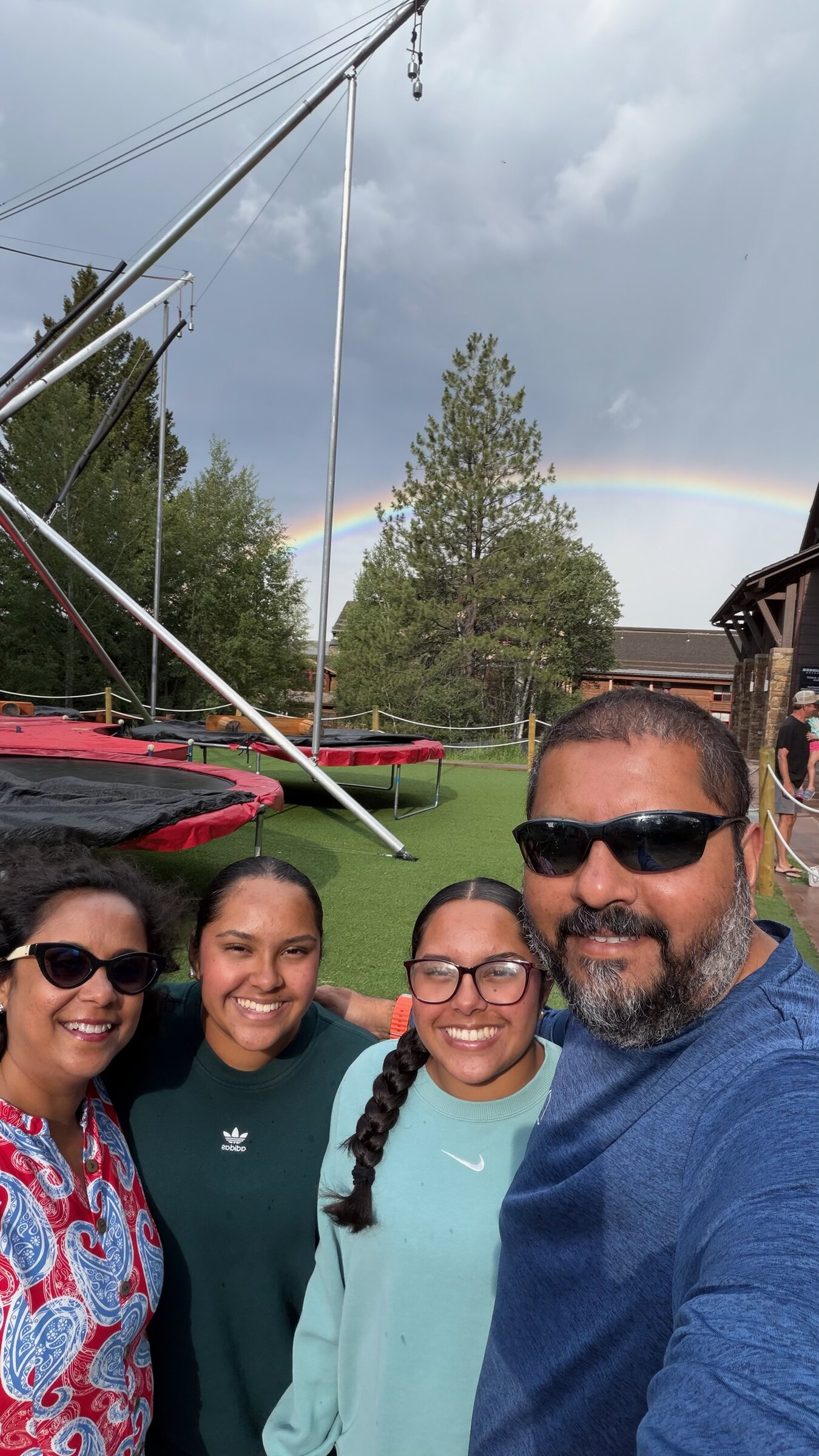
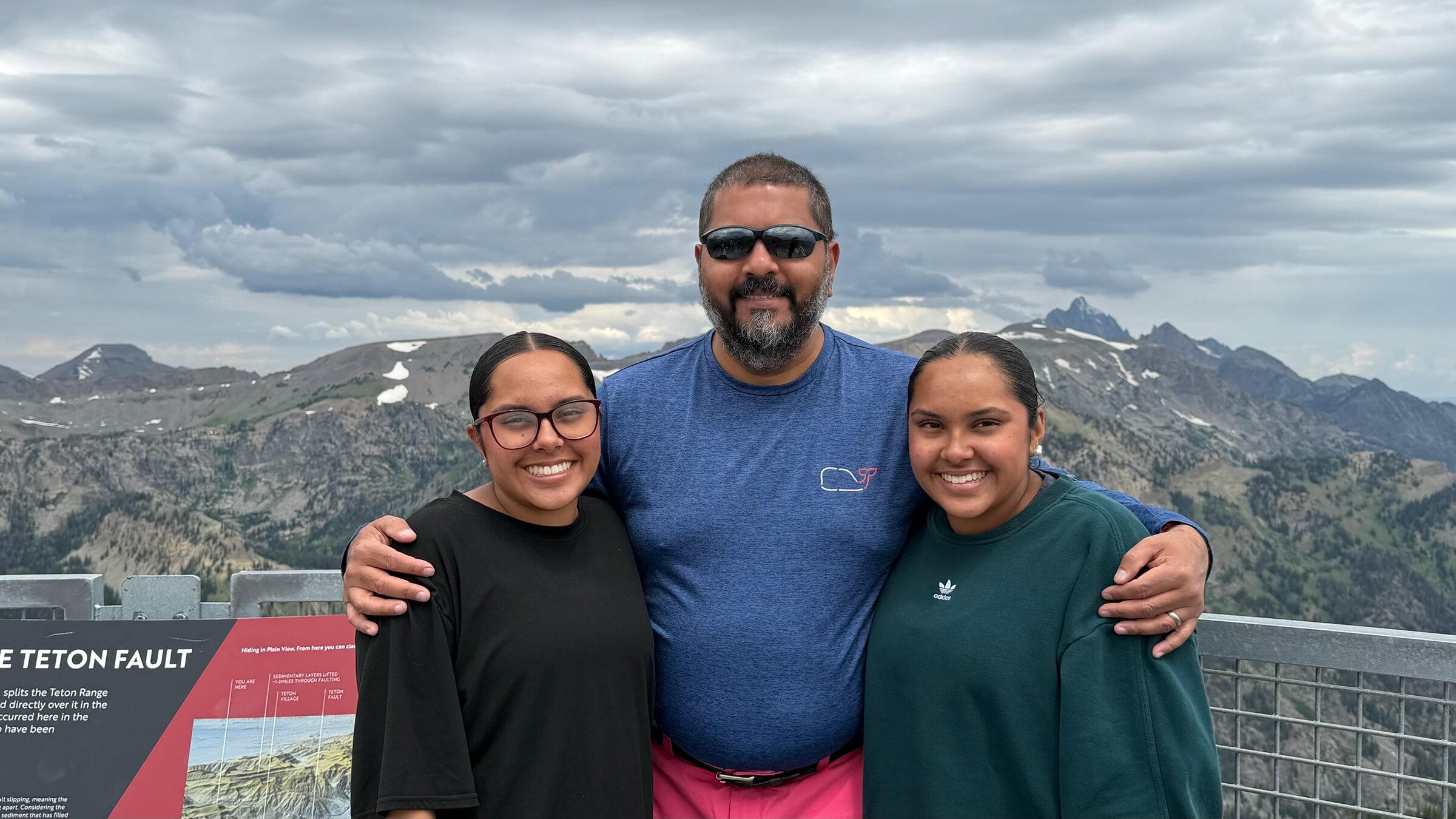
We dried off just in time for the Aerial Tram — 4,139 vertical feet to the summit of Rendez-Vous Mountain, the whole Teton range laid out in every direction. The day ended the way a celebration should: a table at Snake River Grill, a rainbow on the drive home, and everyone finally sitting still.
Alpine Lakes & Local Culture
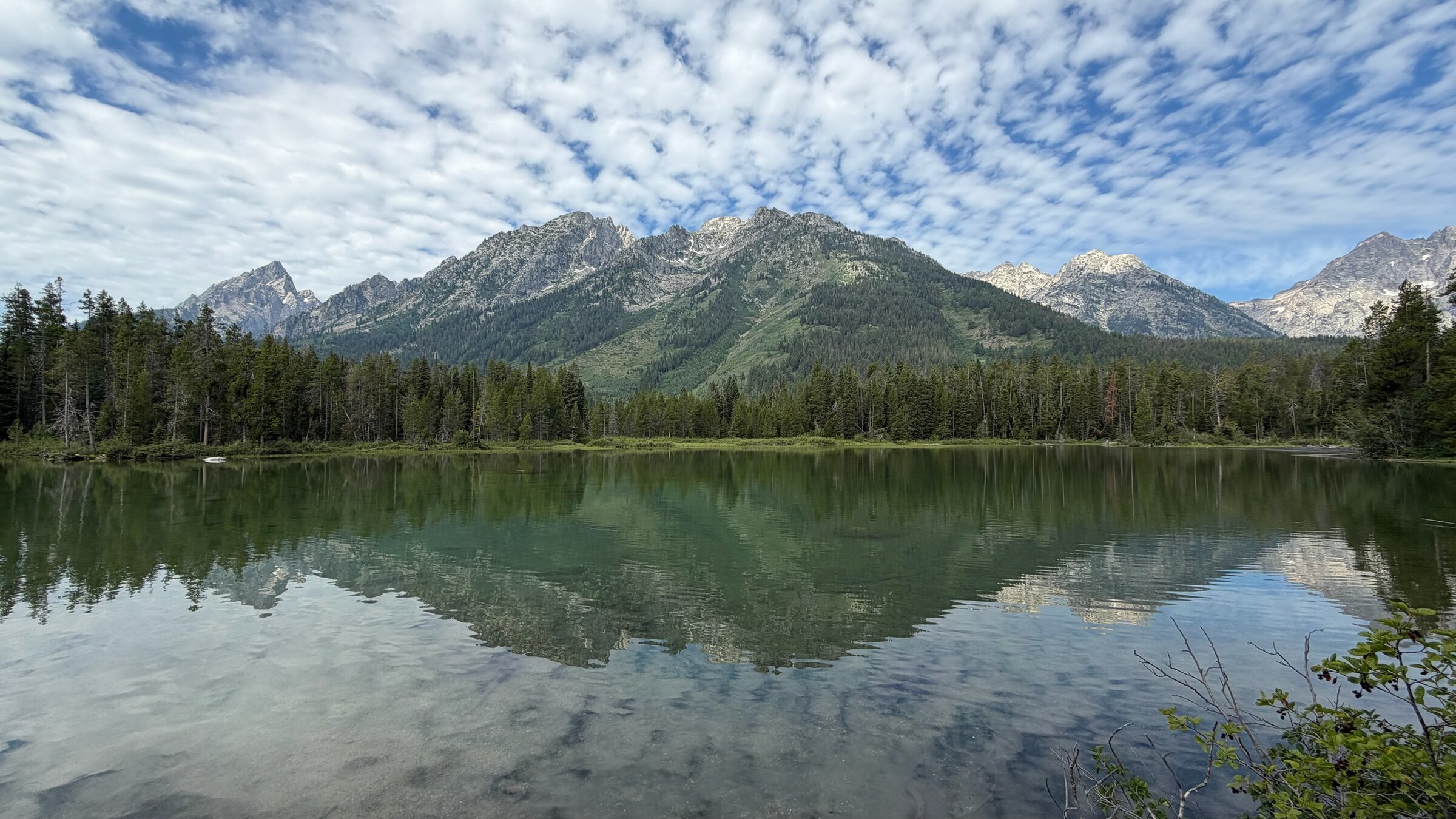
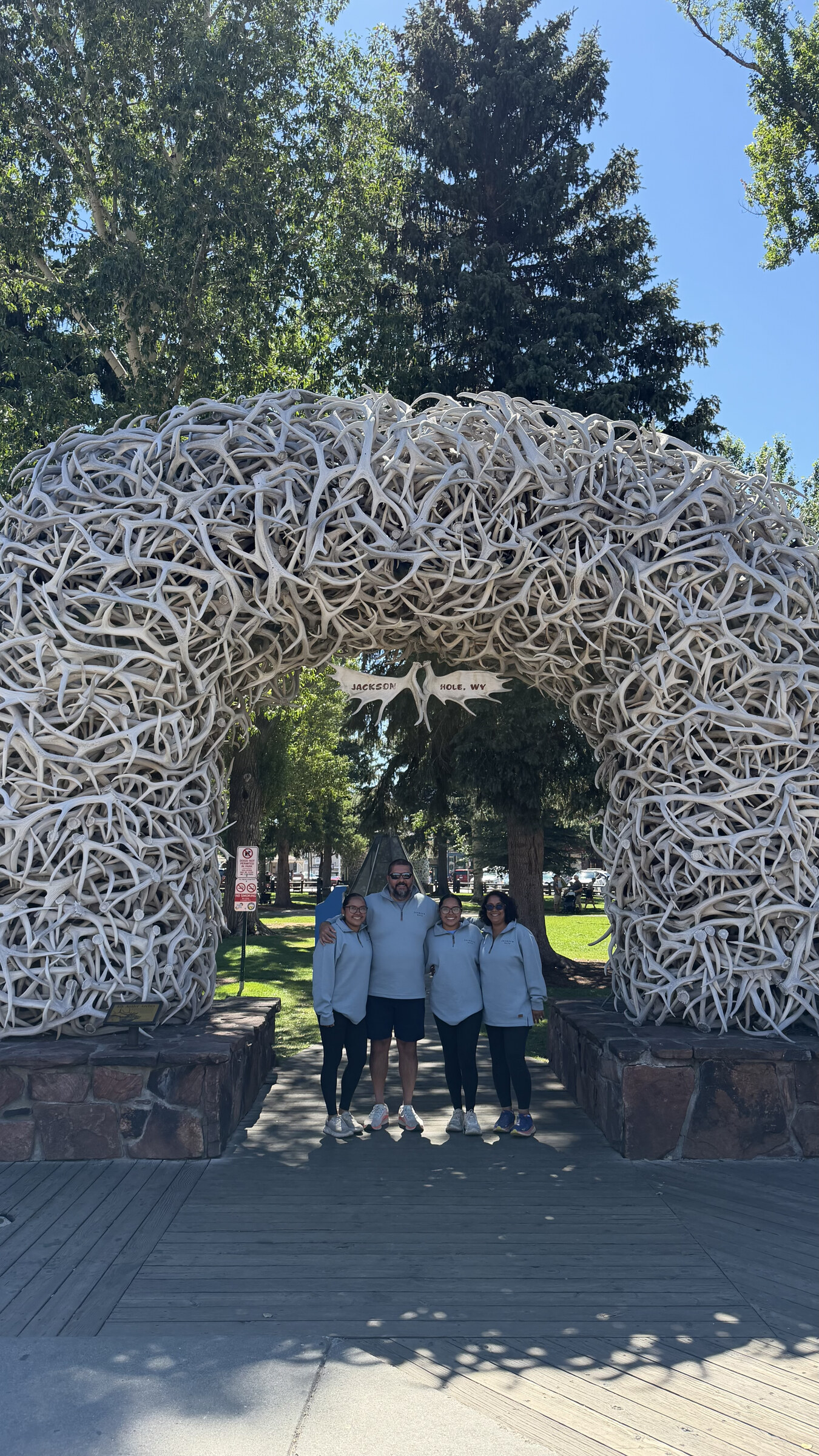
A morning hike under the Grand itself — the String Lake loop, 3.7 miles of granite peaks doubled in still alpine water. By afternoon we'd swapped trailheads for Town Square, elk antler arches, and the kind of aimless browsing every trip needs at least one day of.
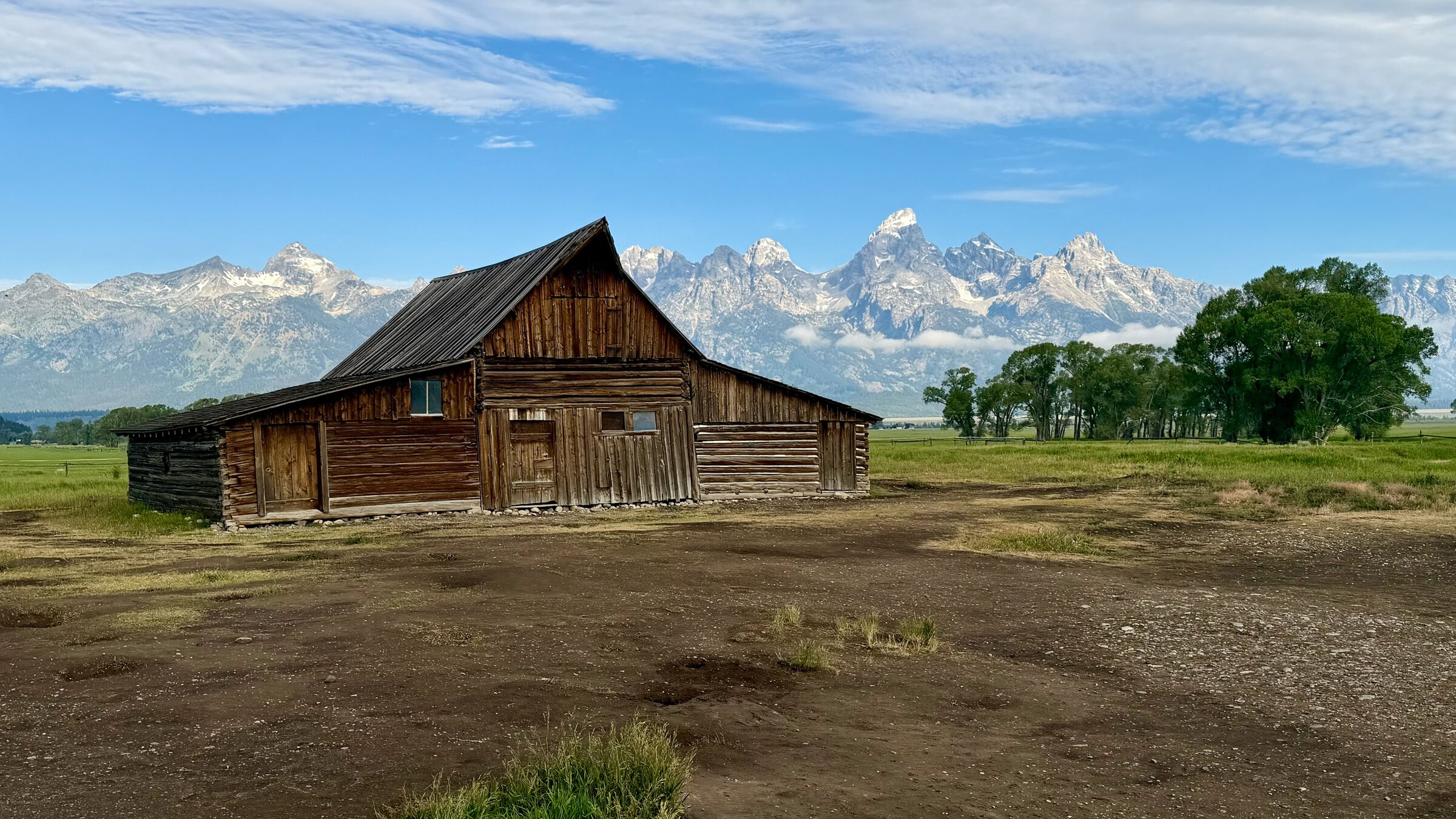
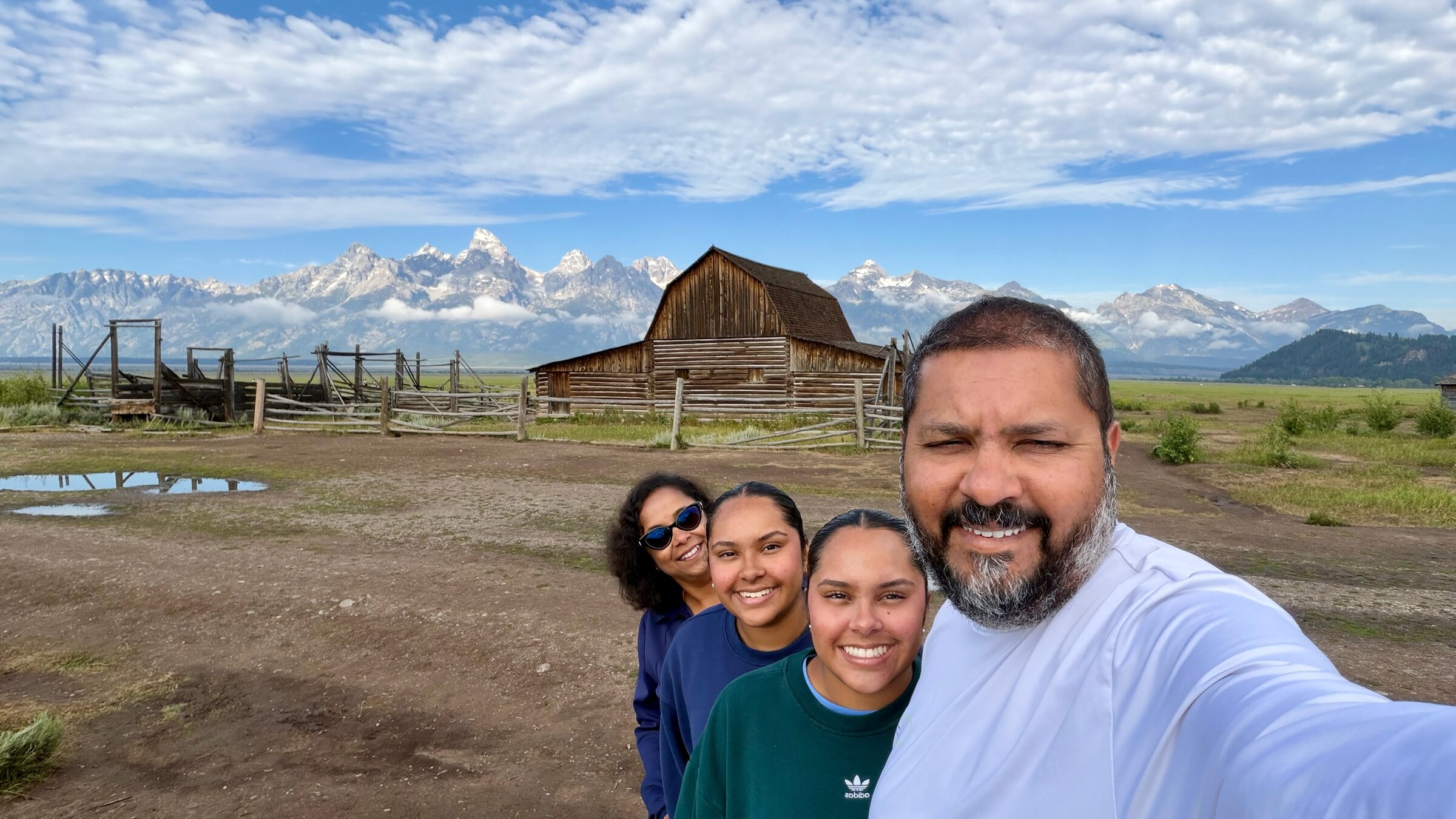
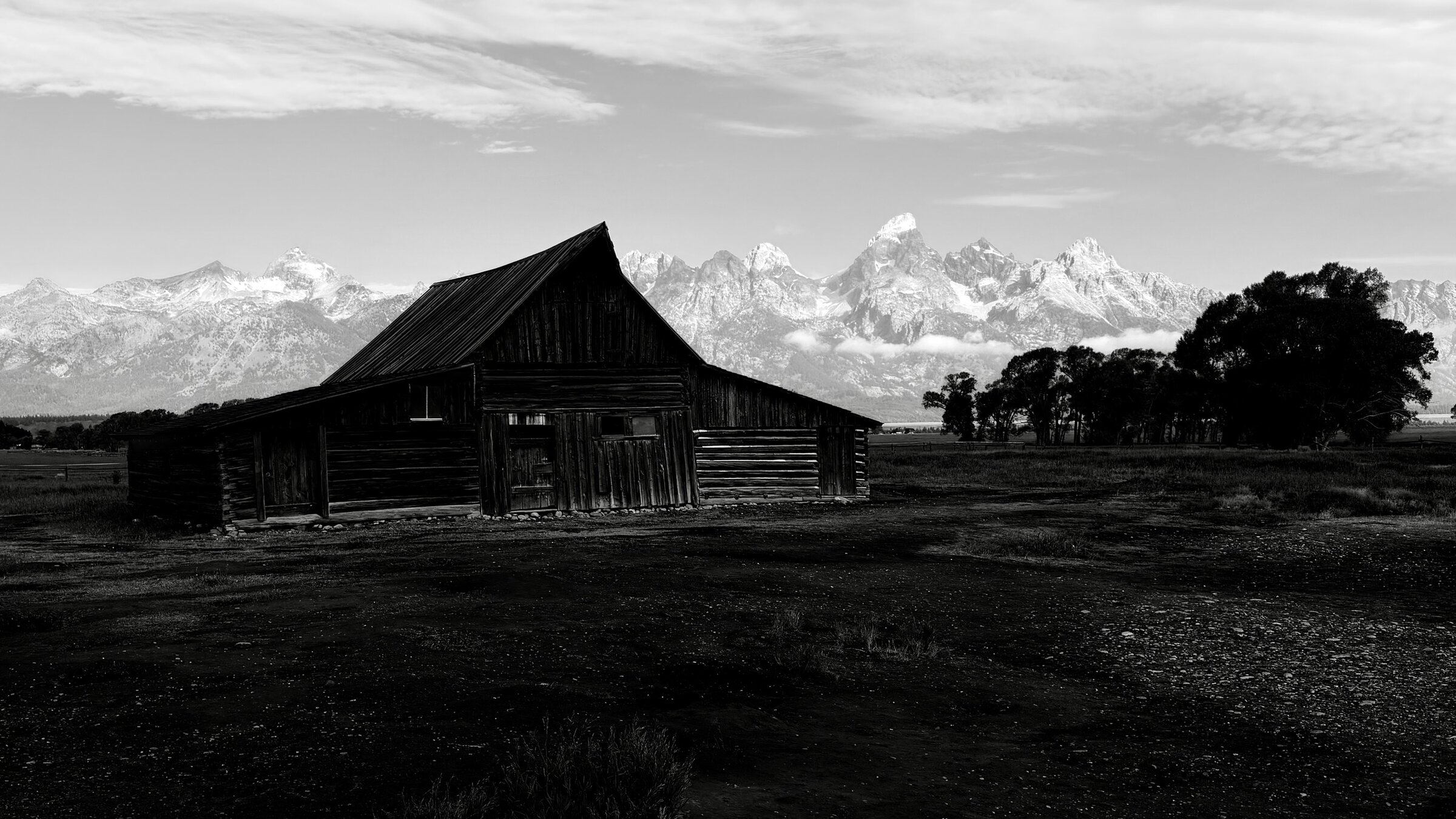
We saved the best for golden hour: Schwabacher Landing, where beaver ponds turn the Tetons into a mirror. It's the photo everyone associates with this park for a reason — and Mormon Row's century-old barn, caught the same evening, gave us the other one.
Departure Finale
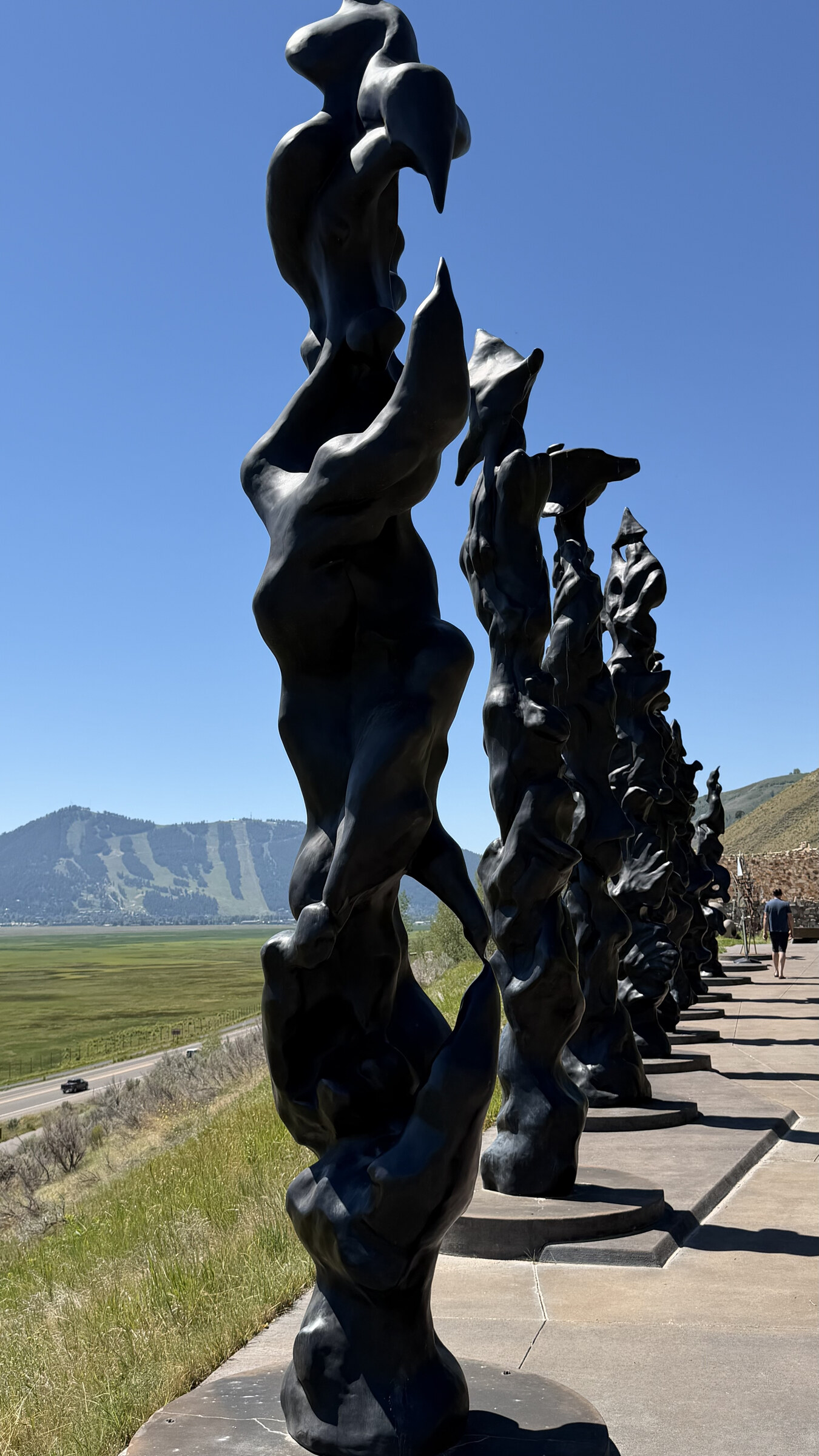
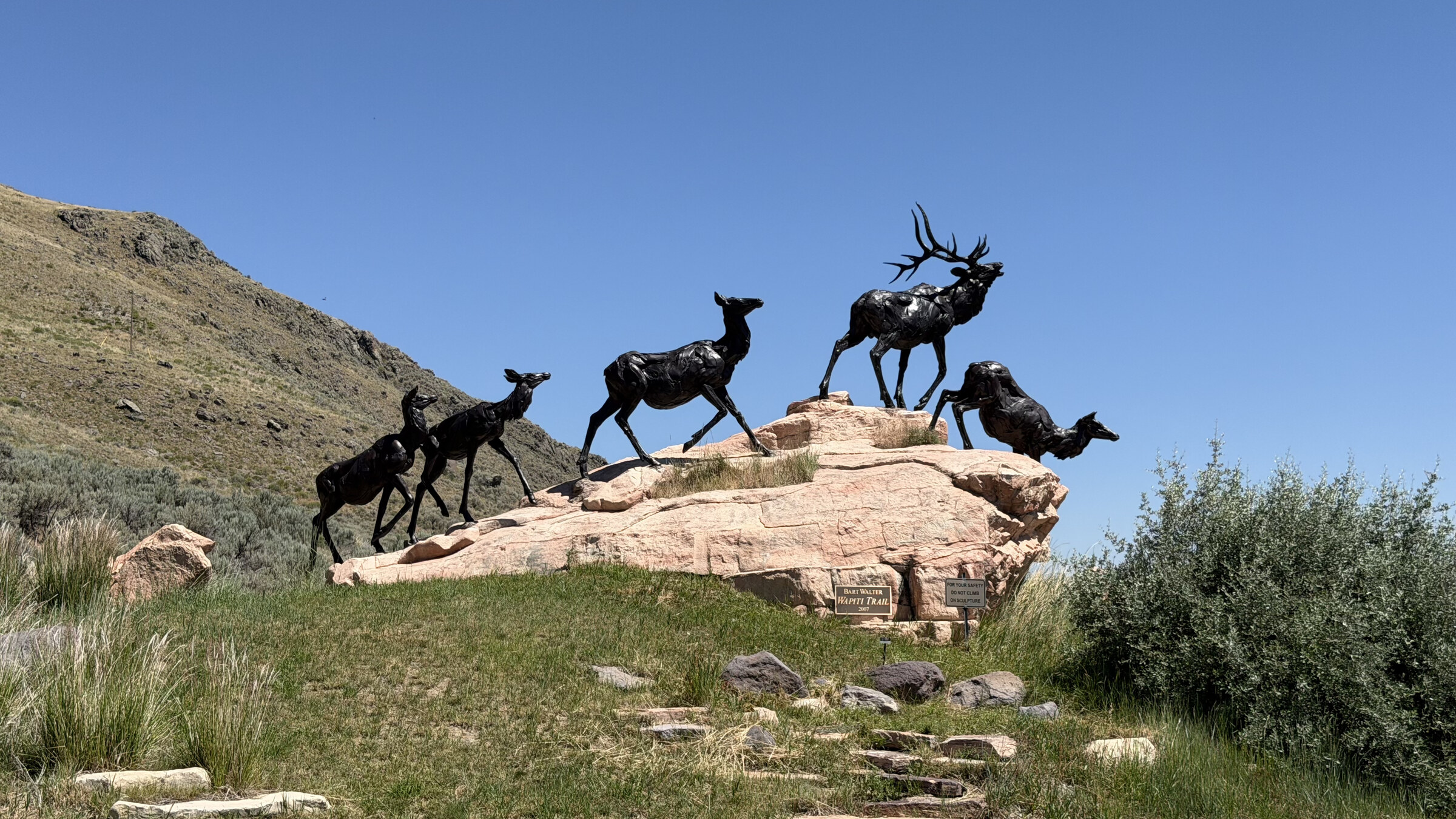
A slow last morning, a walk through the sculpture trail at the National Museum of Wildlife Art, and then the part of every trip nobody photographs: the drive to the airport, the rental return, the long line of connections back to Raleigh.
Ten days, two national parks, one very tired rental SUV. We landed in RDU just before midnight, already talking about when we'd come back.
Mapped
Home Again
Ten days, two national parks, and one very tired rental SUV. We landed in Raleigh just before midnight on July 19th — already talking about when we’d come back.